Tracing the Rise of Integrated Reward Ecosystems Linking Digital Card Simulations with Secure Mobile Funding Methods in Regulated Territories
Written by Katja Simmons · Jun 18, 2026
Tracing the Rise of Integrated Reward Ecosystems Linking Digital Card Simulations with Secure Mobile Funding Methods in Regulated Territories
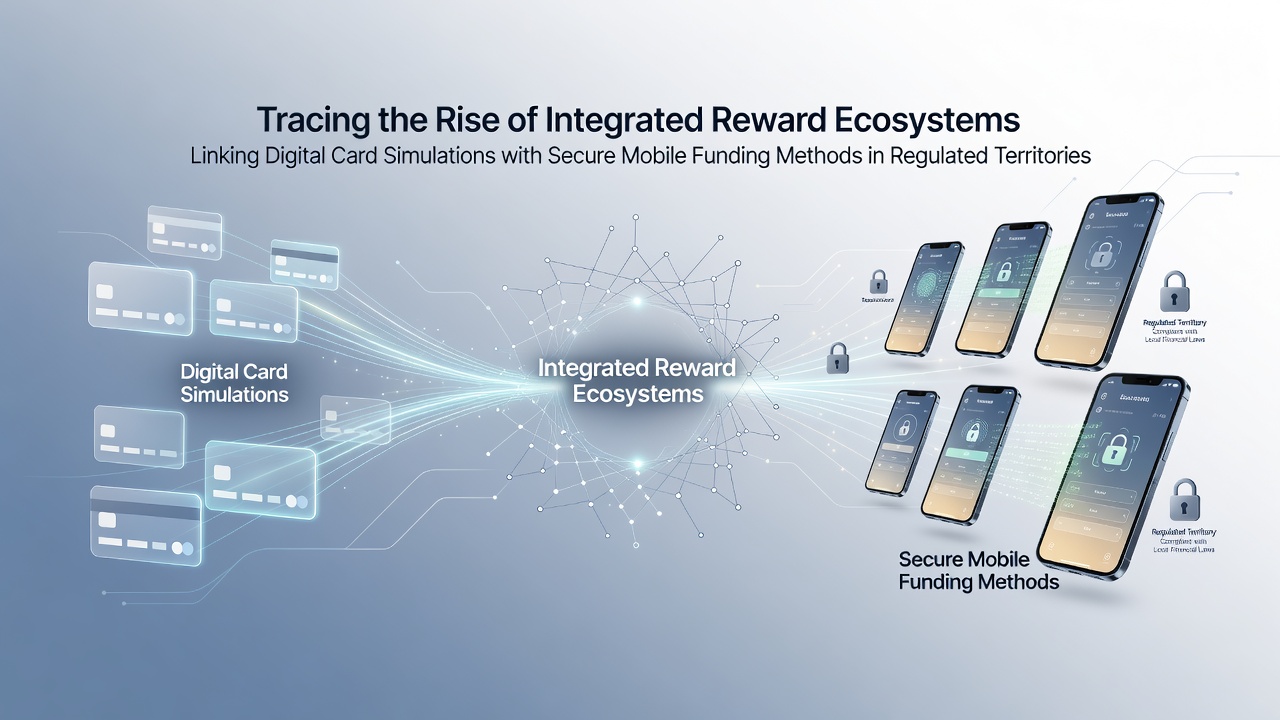
Digital card simulations have expanded rapidly across regulated markets since the mid-2010s, and integrated reward ecosystems now connect these virtual table experiences directly to secure mobile funding channels. Operators in multiple jurisdictions use encrypted payment gateways to handle deposits and withdrawals while simultaneously tracking player activity in card-based games such as blackjack, poker variants, and baccarat simulations. These systems award points or credits that can be redeemed across platforms, creating a continuous loop between funding actions and gameplay rewards.
Development of Connected Reward Structures
Early mobile gaming platforms operated reward programs in isolation, yet data from industry reports shows that operators began linking card simulations to funding methods around 2018. Secure tokenization of payment details allows real-time crediting of loyalty balances when users fund accounts through approved mobile wallets or bank transfers. According to figures released by the Pennsylvania Gaming Control Board, mobile card game participation in that state rose steadily between 2020 and 2025, coinciding with wider adoption of unified reward ledgers that synchronize activity across multiple game types.
Regulated territories in North America and parts of Europe introduced technical standards requiring audit trails for both funding transactions and reward allocations. These rules prompted developers to build application programming interfaces that pull transaction data from payment processors and feed it into centralized loyalty engines. Observers note that this architecture reduces discrepancies between deposited amounts and earned rewards, because every funding event triggers an immediate update to the player's unified profile.
Secure Mobile Funding Mechanisms
Mobile funding methods approved in regulated zones typically rely on end-to-end encryption and multi-factor authentication. Systems certified under standards such as those maintained by the Australian Communications and Media Authority transmit tokenized card details rather than raw account numbers, which limits exposure during transfers. When a user initiates a deposit to access digital card simulations, the payment processor confirms the transaction within seconds and simultaneously notifies the reward platform to credit bonus points based on predetermined multipliers.
Research from the University of Nevada's International Gaming Institute indicates that jurisdictions permitting instant bank transfers see higher retention rates among players who engage with card simulations. The same study found that integrated ledgers allow operators to apply dynamic reward rates tied to funding frequency, so frequent secure deposits generate accelerated point accumulation without manual intervention. These mechanics operate within strict regulatory caps on bonus values, ensuring compliance while maintaining seamless user flows.

Cross-Platform Synchronization in June 2026
As of June 2026 several Canadian provinces and select U.S. states have completed upgrades to their central monitoring systems, enabling real-time reconciliation between mobile funding records and reward ledgers used in digital card environments. Regulators now require daily data feeds that match deposit timestamps with point awards, which helps identify patterns across jurisdictions. Operators report that these synchronized records support responsible gaming tools, including automated spend limits that adjust based on both funding activity and accumulated rewards.
One implementation in Ontario links e-wallet deposits directly to a provincial oversight database, allowing the Alcohol and Gaming Commission of Ontario to verify that reward redemptions stay within approved parameters. Similar frameworks in Michigan and New Jersey rely on comparable data-sharing agreements, though each maintains distinct technical specifications for encryption and reporting intervals. The result is a patchwork of ecosystems that nevertheless share core design principles around security and reward traceability.
Technical and Regulatory Interplay
Developers building these integrated systems must satisfy both payment security certifications and gaming-specific licensing conditions. Standards from the European Committee for Standardization influence encryption protocols used in cross-border reward platforms, while local gaming authorities impose additional rules on how points convert into playable credits within card simulations. This dual oversight creates environments where funding methods and reward engines undergo separate audits before interconnection occurs.
Case examples from operators licensed in multiple territories illustrate how unified player profiles travel across borders under strict data-protection agreements. When a user funds an account via an approved mobile method in one jurisdiction, the reward balance updates appear instantly in simulations hosted in another approved location. Data exchange occurs through encrypted channels that mask personal identifiers, satisfying privacy regulations while preserving the continuity of the reward experience.
Conclusion
Integrated reward ecosystems continue to evolve alongside improvements in secure mobile funding technology, with regulated territories refining data-exchange protocols to maintain oversight. The connections between digital card simulations and funding channels rest on standardized interfaces, audit requirements, and encryption practices that support both player engagement and regulatory compliance across jurisdictions. As technical standards advance, these systems are expected to incorporate additional verification layers while preserving the seamless flow of rewards tied to funding activity.