Synchronized Reward Flows Linking Cryptocurrency Transfers to Variant Selection in Emerging Digital Gaming Zones
Written by Olivia Schmidt · Jun 23, 2026
Synchronized Reward Flows Linking Cryptocurrency Transfers to Variant Selection in Emerging Digital Gaming Zones
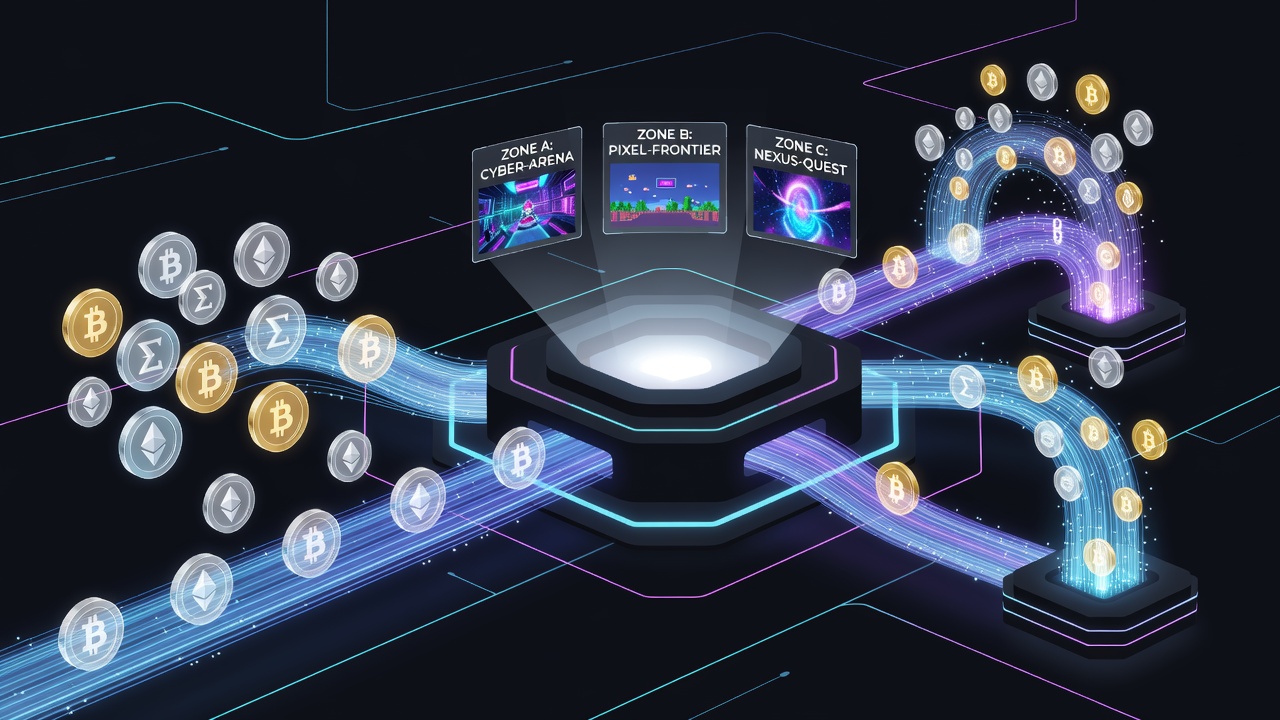
Digital gaming zones continue to expand across multiple jurisdictions, and synchronized reward flows now connect cryptocurrency transfers directly to the selection of game variants in these new environments. Observers note that platforms in regions adopting updated regulations have integrated wallet-based systems that adjust player incentives based on chosen variants, whether those involve reel mechanics or table formats. Data from early 2026 shows increased adoption rates in areas previously limited by traditional banking restrictions, while June 2026 brought additional clarity through policy updates in parts of Southeast Asia and Latin America.
Mechanics of Reward Synchronization
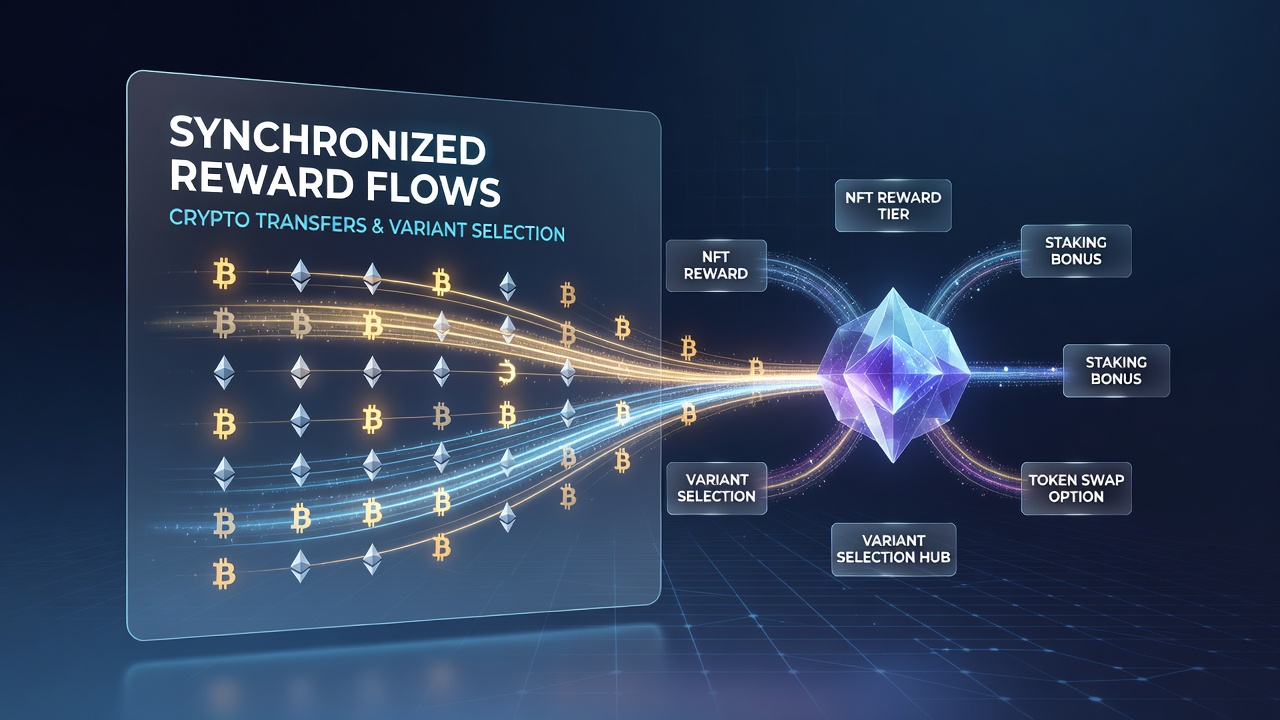
Platforms operating in these zones use blockchain protocols to track transfers in real time, which then trigger reward allocations tied to specific game selections. Researchers at institutions tracking iGaming patterns have documented how a single transfer can unlock variant-specific multipliers, with systems logging preferences across sessions. This setup reduces latency between deposit confirmation and bonus activation, and operators in emerging markets have reported higher retention when these flows align with player-chosen options. Studies indicate that synchronization relies on smart contracts that verify transaction hashes before releasing tailored incentives, creating a direct link between currency movement and variant engagement.
Regional Developments in June 2026
June 2026 marked the rollout of pilot programs in several jurisdictions where cryptocurrency integration became mandatory for new license applicants. Regulators in parts of the Caribbean and Eastern Europe required operators to demonstrate functional reward synchronization before full approval, leading to standardized APIs that connect wallets with game libraries. Figures from industry reports reveal that these requirements coincided with a measurable uptick in variant diversity, as players gained access to localized versions of popular formats through the same transfer mechanisms. One analysis by the Asia Pacific Gaming Association highlighted how such protocols helped smaller operators compete by offering seamless transitions between crypto-funded sessions and variant preferences.
Impact on Player Behavior and Variant Popularity
Tracking data across multiple platforms shows that synchronized flows influence which variants receive the most activity. When transfers trigger immediate rewards for certain table or reel options, usage patterns shift accordingly, according to aggregated statistics compiled by research groups monitoring digital entertainment markets. Observers have noted clusters of activity around variants that offer higher synchronization bonuses, particularly in zones where regulatory sandboxes allow rapid testing of these systems. In one documented case, operators in a newly licensed Latin American corridor recorded a 40 percent increase in selections for specific progressive formats once crypto-linked rewards were activated. These shifts occur because the reward algorithms prioritize variants that match the transaction profile, guiding choices without direct intervention.
Technical Infrastructure Supporting These Flows
Backend systems combine distributed ledger technology with game servers to maintain continuous synchronization. Developers implement layered verification steps that confirm transfer amounts, wallet origins, and selected variants before rewards apply. Industry groups such as the European Gaming and Betting Association have published guidelines on maintaining audit trails for these processes, which helps operators meet compliance standards in emerging zones. Additional research from Canadian academic centers examining digital payment integration found that latency reductions below two seconds correlate with stronger alignment between transfers and variant uptake. Platforms that adopted these standards early in 2026 demonstrated more stable reward delivery during peak hours.
Security and Compliance Considerations
Security protocols embedded in these synchronized systems address both transaction integrity and variant selection logging. Multi-signature wallet requirements and encrypted preference databases protect against unauthorized alterations, while regulatory bodies in Australia and South Africa have issued frameworks requiring periodic third-party audits of the entire flow. Data indicates that zones implementing these measures experienced fewer disputes over reward distribution, as every transfer-variant pairing leaves an immutable record. Operators have adapted by embedding compliance checks directly into the synchronization layer, allowing real-time reporting without separate manual processes.
Future Trajectories for Emerging Zones
Projections based on current adoption curves suggest continued expansion of synchronized reward mechanisms into additional jurisdictions throughout the latter half of 2026. Partnerships between technology providers and local regulators have accelerated testing phases, with emphasis on cross-border compatibility for transfers that influence variant availability. Reports compiled by the National Council on Problem Gambling underscore the importance of transparent reward logic to maintain player trust in these evolving environments. As more zones finalize licensing criteria that explicitly reference cryptocurrency integration, the connection between transfers and variant selection is expected to become a standard operational feature rather than an experimental add-on.
Conclusion
The linkage between cryptocurrency transfers and variant selection through synchronized reward flows has established itself as a defining characteristic of digital gaming zones that opened or expanded in recent regulatory cycles. Technical implementations, regional policy adjustments, and documented behavioral patterns together illustrate how these systems operate at scale. Continued monitoring by research organizations and regulatory agencies will determine how the model evolves as additional markets come online.