Shifts in Engagement Driven by Integrated Reward Systems and Secure Transfer Protocols for On-the-Go Casino Interactions
Written by Yara Simmons · May 21, 2026

Shifts in Engagement Driven by Integrated Reward Systems and Secure Transfer Protocols for On-the-Go Casino Interactions
Integrated reward systems now tie player activity across multiple sessions and devices into unified loyalty structures, and secure transfer protocols enable rapid, encrypted movement of funds during mobile sessions; these elements together alter how engagement unfolds in on-the-go casino environments. Platforms track cumulative play through centralized databases that update in real time, so points earned on one game carry over instantly to another without manual intervention.
Data compiled by regional regulators shows mobile sessions lasting longer when rewards activate automatically upon deposit confirmation. Players receive tiered benefits such as accelerated cashback rates or exclusive tournament entries that sync across apps and browsers, reducing friction that once interrupted play patterns. Observers note that completion rates for bonus rounds climb when the underlying transfer layer confirms each step within seconds rather than minutes.
Reward Integration Across Mobile Platforms
Developers embed reward ledgers directly into game engines so that progress toward loyalty milestones appears without leaving the current screen. A user spinning reels on a commute accumulates credits that later unlock table-game perks upon return home, because the system maintains a single profile accessible through biometric login. Industry reports from May 2026 indicate that operators adopting these unified ledgers record higher daily active user counts compared with segmented programs that require separate logins for each title.
Those who study player behavior track how instant reward notifications delivered via push messages correlate with resumed sessions; the alerts reference both accumulated points and pending secure transfers already queued in the account. This linkage keeps participants aware of value earned without requiring them to navigate separate menus, and the approach cuts bounce rates after initial deposits.
Secure Transfer Mechanisms in Action
Secure transfer protocols rely on end-to-end encryption combined with tokenization so that banking details never reside on the device itself. When a player initiates a withdrawal during a live session, the protocol routes the request through a temporary session key that expires once the transaction clears, limiting exposure windows. Figures from Canadian regulatory filings reveal average payout times dropping below ninety seconds for verified accounts, a change that coincides with measured increases in repeat mobile logins within the same day.
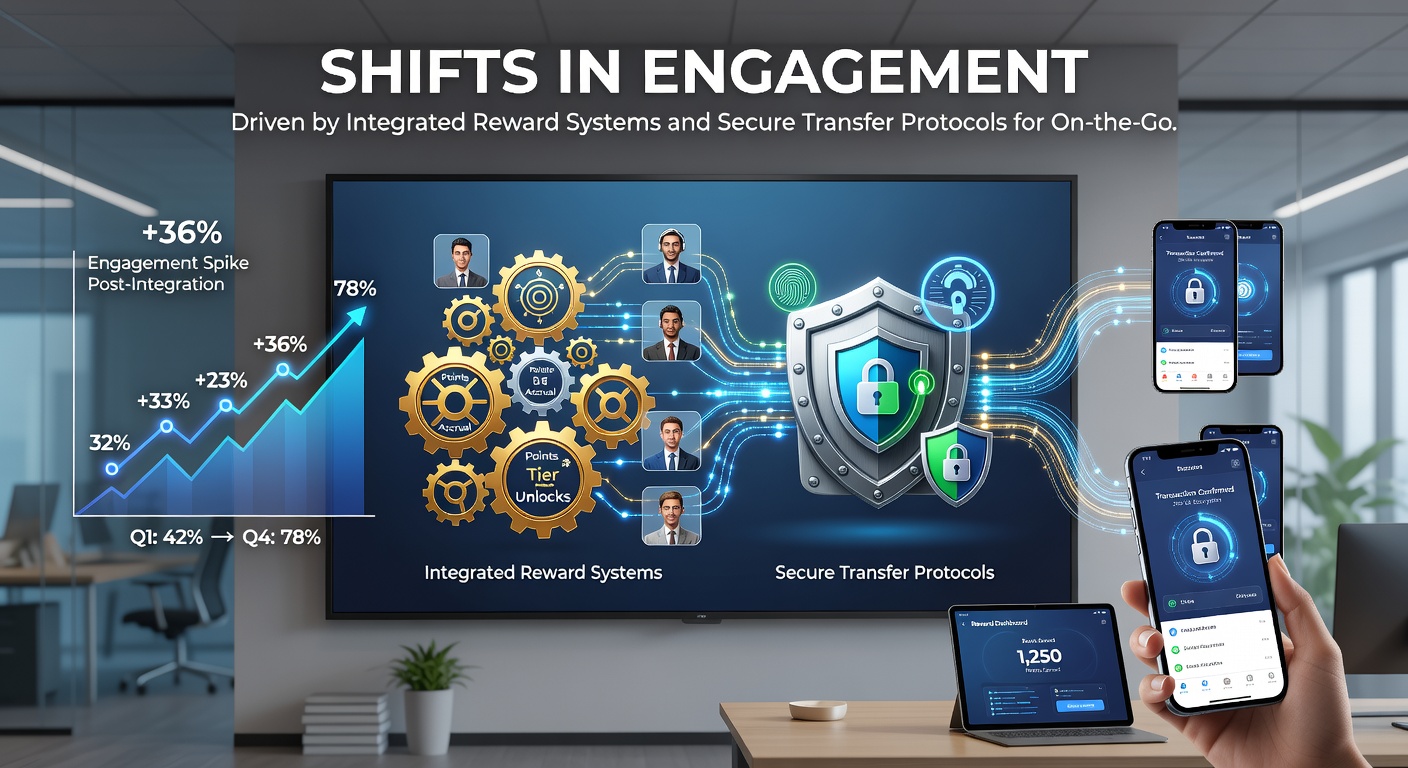
Multi-factor authentication layers now integrate with device biometrics and network verification, allowing the system to approve transfers even when the user switches between cellular and Wi-Fi connections. Researchers examining transaction logs find fewer abandoned carts when the protocol provides real-time status updates inside the game interface rather than redirecting users to external banking portals. The continuity keeps engagement momentum intact because players remain inside the casino environment throughout the process.
Measured Changes in Engagement Patterns
Analytics platforms record session frequency rising when reward tiers and transfer speed operate as a single ecosystem. A study released by the Nevada Gaming Control Board in early 2026 documented a 17 percent lift in average sessions per user on properties that merged loyalty tracking with instant payout rails. Retention curves flatten more gradually under these conditions, because participants encounter fewer interruptions between play and reward redemption.
Cross-device synchronization further supports this trend; a player who begins a slot tournament on a tablet can finish it on a phone while the system automatically credits any winnings to the same secure wallet. Data indicates that such seamless handoffs reduce device-switching drop-off by noticeable margins, and operators attribute the improvement to unified reward ledgers that travel with the account rather than resetting on each new device.
Regional Developments and Data Trends
European operators following guidelines from the Malta Gaming Authority report similar patterns after mandating encrypted transfer standards in mobile applications. Those standards require visible confirmation of each reward credit before the next game round begins, creating a predictable loop that analysts link to steadier engagement levels. Australian oversight bodies likewise document increased deposit volumes once instant transfer features pair with progressive loyalty structures.
What's notable is how smaller regional markets adopt these systems faster than larger jurisdictions because legacy infrastructure poses fewer obstacles. As of May 2026, several mid-sized operators have rolled out pilot programs that combine biometric-authenticated transfers with tiered reward multipliers, and preliminary metrics show session lengths extending by double-digit percentages in test cohorts.
Conclusion
Integrated reward systems and secure transfer protocols continue to reshape engagement metrics for mobile casino interactions by removing traditional barriers between play, accumulation, and redemption. Regulatory data from multiple jurisdictions confirms that when these components function together, session duration, repeat visits, and reward utilization all register measurable gains. Operators who maintain unified ledgers and encrypted rails position themselves to capture sustained activity from users who expect uninterrupted access regardless of location or device.