Shifting Regulatory Sand: How Evolving Tax Structures Reshape Cross-Platform Game Availability in Multi-State Markets
Written by Olivia Schmidt · Jul 30, 2026
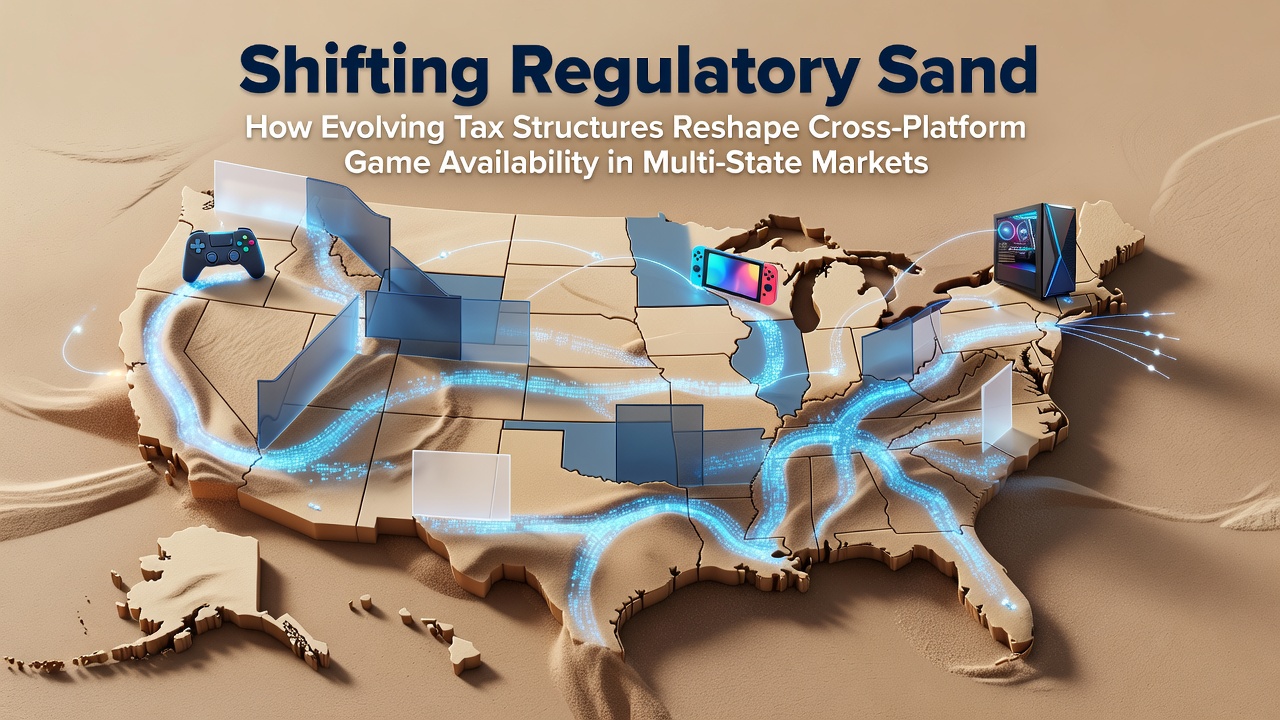
Shifting Regulatory Sand: How Evolving Tax Structures Reshape Cross-Platform Game Availability in Multi-State Markets
State legislatures continue to adjust tax frameworks that govern digital entertainment offerings, and these modifications directly influence which games appear on cross-platform systems in overlapping markets. Operators track each adjustment because revenue calculations now incorporate layered fees that vary by jurisdiction, device type, and user location. Data compiled by the National Indian Gaming Commission shows that several states revised their gross gaming revenue thresholds during the first half of 2026, prompting platforms to recalibrate available titles accordingly.
Tax Rate Differences Across State Lines
Each state applies its own combination of flat percentages, progressive brackets, and supplemental levies on interactive gaming revenue, while neighboring jurisdictions maintain entirely separate schedules. Pennsylvania, for instance, structures its online gaming tax around a base rate plus additional assessments tied to table game volume, whereas New Jersey calculates obligations through a different formula that factors in free-play promotions. These distinctions create practical barriers because a single game title may generate acceptable margins in one state yet fall below viability thresholds in another. Platforms respond by geo-fencing content so that users in high-tax environments see fewer reel-based or card-based options at any given time.
Platform Adjustments and Content Libraries
Developers and aggregators maintain centralized libraries that feed multiple delivery channels, yet they must segment those libraries according to real-time tax data feeds. When a state increases its effective rate on mobile sessions, operators often remove higher-volatility titles from that channel while retaining them on desktop interfaces where tax treatment differs. July 2026 brought one such change in a Mid-Atlantic state where lawmakers enacted an incremental surcharge on progressive jackpot contributions, leading several major platforms to suspend those specific jackpot pools for mobile users within the affected borders. Users in adjacent states continued to access the same features without interruption because their local tax codes remained unchanged.

Compliance Infrastructure and Real-Time Filtering
Companies deploy geolocation systems integrated with tax-rule engines that evaluate each session before content loads. The engine cross-references the user's detected state, the platform in use, and the current statutory rate to determine eligibility. Research from the University of Nevada's International Gaming Institute indicates that these automated filters now update within minutes of legislative announcements, reducing the window during which non-compliant titles remain visible. Operators that previously relied on quarterly reviews have shifted to daily audits, because even small rate modifications can render entire categories unprofitable overnight.
Provider Negotiations and Revenue Sharing
Game studios negotiate revenue splits that already account for state-specific tax burdens, and these contracts increasingly include clauses allowing rapid removal of titles when effective rates exceed predefined ceilings. One major aggregator reported adjusting more than 180 game integrations across five states during the second quarter of 2026 after two legislatures modified their tax treatment of in-game purchases. The adjustments preserved overall catalog size in lower-tax markets while trimming options in higher-tax ones, illustrating how tax policy travels directly into user-facing libraries.
Market-Wide Effects on Availability Patterns
Observers tracking multi-state rollouts note that tax-driven segmentation produces uneven availability maps rather than uniform national catalogs. A player crossing state lines may encounter sudden changes in featured games, bonus structures, and jackpot participation even when using the same account and device. Figures released by the American Gaming Association confirm that cross-border play now accounts for a measurable share of total interactive sessions, making these availability shifts noticeable to frequent travelers and commuters alike.
Conclusion
Tax structures continue to evolve across state boundaries, and each modification triggers corresponding adjustments in the games that platforms can profitably offer. Operators maintain compliance through integrated data systems, while content providers adapt contracts to accommodate fluctuating obligations. The result is a dynamic landscape where availability on any given platform reflects the cumulative weight of multiple state tax regimes rather than a single uniform policy. As additional jurisdictions finalize 2026 updates, further segmentation of cross-platform libraries remains the expected operational response.