Resorts World Casino Faces Ongoing Dispute Over Horseracing Support Payments in New York
Written by Ellis Lehmann · Jun 2, 2026

Resorts World Casino Faces Ongoing Dispute Over Horseracing Support Payments in New York
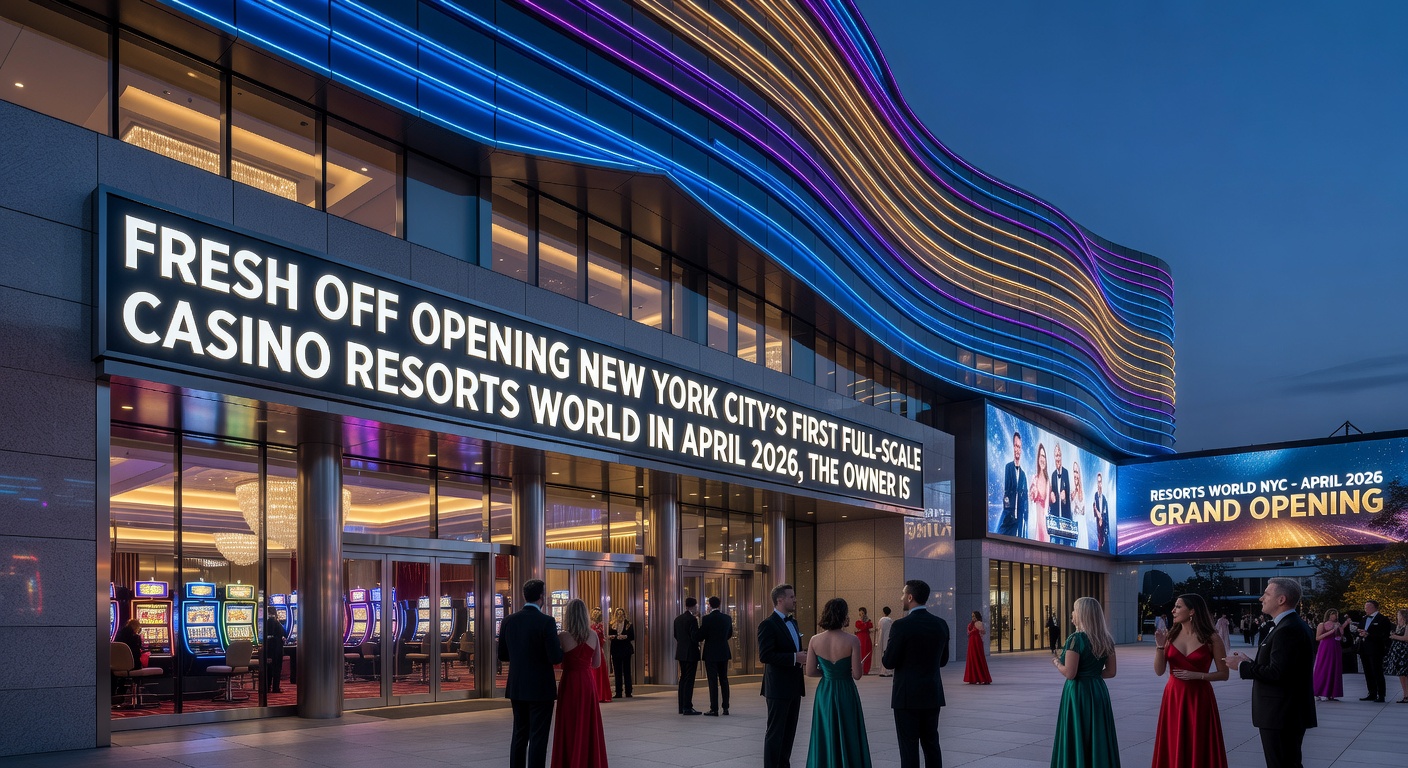
Resorts World opened New York City’s first full-scale casino in April 2026 and quickly entered discussions with the state Gaming Commission regarding required racing support payments to the horseracing industry, and those obligations could exceed $500 million across the next four years until additional licensed casinos begin operations. The company contends these payments should fall within its established 56% tax rate as outlined in the original bid while state officials classify them as separate obligations that stand apart from the base tax structure.
Background on the Casino Opening and Initial Agreement
State records show Resorts World secured its license through a competitive process that included the 56% tax commitment, and the facility launched operations in Queens during April 2026 as the first venue of its kind in the city. According to the Commercial Casinos webpage the tax rate applies directly to gaming revenue and forms a core component of the licensing terms that multiple operators accepted during the bidding phase. Observers note that the agreement anticipated a phased rollout of additional casinos which would eventually distribute similar support obligations across several properties rather than concentrating them on the initial operator.
The racing support payments originated from earlier state legislation designed to sustain the horseracing sector through contributions from commercial gaming revenue and this framework predates the New York City casino approvals. Data from regulatory filings indicate the payments represent a fixed commitment tied to the absence of competing casinos rather than a percentage of ongoing operations and the four-year window reflects estimates until other facilities reach full licensing and launch stages.
Details of the Current Dispute
Resorts World maintains that the racing support amounts should integrate into the 56% tax calculation since both stem from the same revenue streams while the Gaming Commission views the support payments as additive requirements that exist outside the tax rate. The distinction carries financial weight because treating the payments as separate would increase total obligations beyond the original bid structure and the company has responded by drafting proposed legislation that would redirect the support funds directly from the commercial gaming revenue fund instead of requiring direct payments from the operator.
State documents reveal the commercial gaming revenue fund already collects portions of casino taxes for various allocations including horseracing support so the legislative proposal seeks to formalize that mechanism and avoid double-counting concerns. Those who've reviewed the filings point out that the proposal aims to maintain the 56% tax ceiling while ensuring the racing industry continues receiving its designated share without creating an additional burden layered on top of the agreed rate.
Proposed Legislative Resolution and Industry Context
The legislation suggested by Resorts World would amend existing statutes to authorize direct draws from the commercial gaming revenue fund for the racing support payments and this approach aligns with how other states have managed similar industry cross-subsidies. Figures from the Gaming Commission show that multiple commercial casinos in New York already contribute to the fund and the new measure would standardize the process for the New York City location during the transitional period before other operators open. Experts have observed that such adjustments often occur as initial licensees encounter unforeseen cost structures not fully detailed in early bidding documents.
Additional context comes from the broader expansion of commercial gaming across New York where three upstate casinos and one in the Catskills region already operate under comparable tax and support frameworks. The New York City facility represents the first downstate location and its unique market position has highlighted the need for clearer definitions around payment timing and allocation during the interim years until full market competition develops. Reports indicate the Gaming Commission continues reviewing the proposal alongside other regulatory matters as the 2026 session progresses.
Financial Implications Over the Four-Year Period
Estimates place the total racing support obligation above $500 million through the end of the four-year window and this amount factors into projections for both the operator and state revenue streams. Resorts World has submitted financial models demonstrating how inclusion within the 56% tax rate preserves the original economic balance of the bid while separate treatment would require adjustments to operating budgets and reinvestment plans. State analysts have examined these models yet maintain that the payments serve a distinct statutory purpose tied to industry preservation rather than general tax revenue.
Payment schedules outlined in commission documents spread the obligations across quarterly installments and the amounts adjust based on actual gaming revenue performance at the facility. This structure allows flexibility as the casino establishes its market presence in the competitive New York metropolitan area and the proposal to draw from the commercial gaming revenue fund would shift the administrative responsibility while keeping the total contribution level intact.
Next Steps in the Regulatory Process
The Gaming Commission has scheduled further discussions on the matter during its June 2026 meetings and both parties continue exchanging documentation to clarify the interpretation of the original licensing terms. Resorts World has indicated willingness to comply with whichever structure receives final approval yet emphasizes the importance of resolving the classification before cumulative payments reach significant thresholds. Legislative sponsors have begun circulating the draft bill among relevant committees with expectations for committee review before the end of the current session.
Regulatory staff continue monitoring revenue figures from the new facility to establish baseline data for the support calculations and these metrics will inform both the immediate dispute resolution and future licensing conditions for additional operators. teh process reflects standard procedures for refining regulatory frameworks as new market entrants test the boundaries of existing statutes.
Conclusion
The dispute between Resorts World and the New York State Gaming Commission centers on the classification of racing support payments relative to the established 56% tax rate and the proposed legislation offers one pathway toward resolution by redirecting funds through the commercial gaming revenue fund. As operations continue through 2026 stakeholders await further developments from both the commission and the state legislature on how these obligations will be administered during the transitional period before additional casinos open. The outcome will shape financial planning for the operator and set precedents for similar arrangements in the expanding New York gaming market.