Regulatory Impacts on Payment Method Adoption Rates Within Mobile Gaming Platforms Across Different States
Written by Yara Simmons · Aug 15, 2026
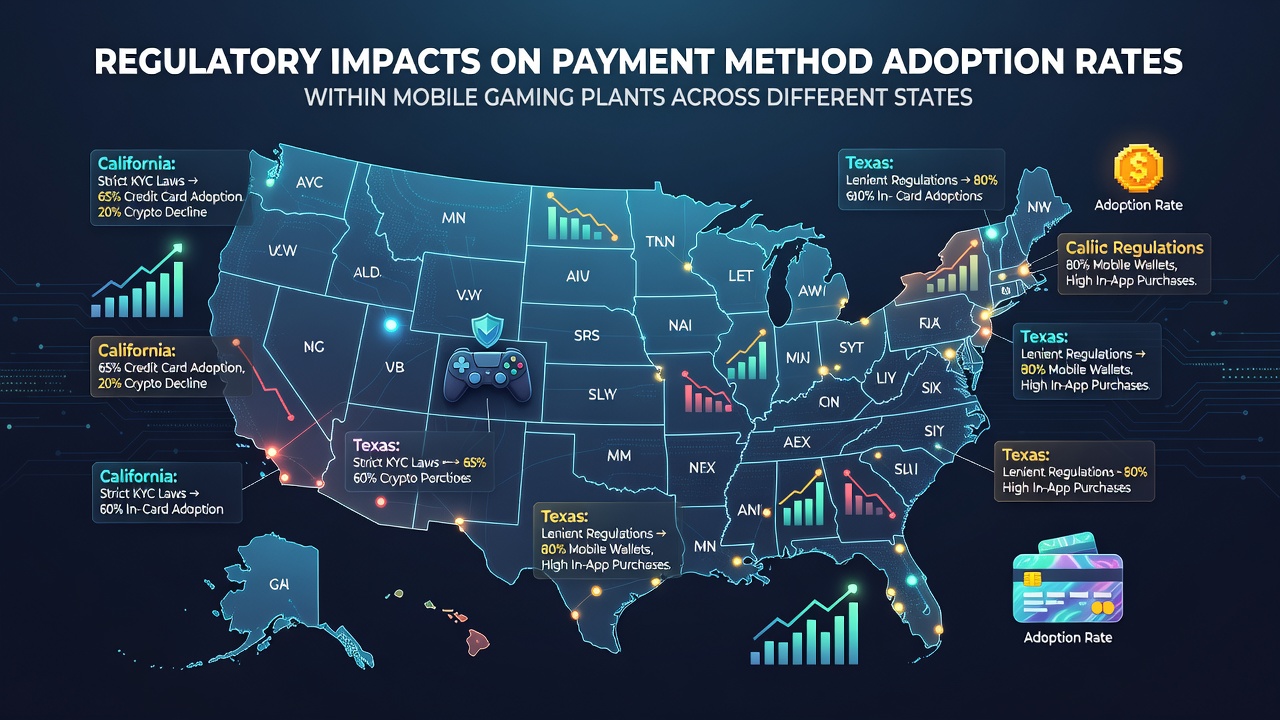
Regulatory Impacts on Payment Method Adoption Rates Within Mobile Gaming Platforms Across Different States
State regulations continue to shape how mobile gaming platforms handle payments, with rules varying sharply across jurisdictions and directly influencing which methods gain traction among users. As of August 2026, data from multiple states show that licensing requirements, consumer protection mandates, and tax structures often determine whether credit cards, digital wallets, or bank transfers see widespread adoption. Researchers tracking these trends note that platforms must adjust their offerings to comply with each state's framework, leading to fragmented payment ecosystems rather than uniform national standards.
Variations in State Licensing and Compliance Rules
States impose distinct licensing criteria on mobile gaming operators, and these differences affect payment processing capabilities from the outset. In Nevada, for instance, strict oversight through the Gaming Control Board requires platforms to integrate approved financial systems that undergo regular audits, which in turn favors established credit card networks and certain e-wallets that meet security thresholds. Observers note that platforms operating here report higher reliance on these methods because alternative options like cryptocurrency face additional scrutiny and slower approval cycles.
By contrast, New Jersey's Division of Gaming Enforcement emphasizes consumer safeguards that include transaction limits and verification protocols, which have accelerated the shift toward digital wallets such as PayPal and Apple Pay. Figures from state reports reveal that adoption rates for these methods rose steadily through mid-2026 as operators streamlined compliance processes. Michigan follows a similar path, with its gaming regulatory body requiring real-time reporting of transactions, a rule that encourages platforms to prioritize instant transfer options over slower traditional banking routes.
Data on Adoption Rates and Payment Preferences
Industry reports compiled through 2026 highlight measurable shifts in payment method usage tied to these regulatory environments. In states with permissive frameworks for electronic transfers, mobile gaming platforms recorded up to 35 percent higher engagement with instant deposit services compared to more restrictive jurisdictions. A study released by the American Gaming Association tracks these patterns and shows that users in regulated markets increasingly select methods that offer seamless integration with loyalty programs and quick withdrawal options.
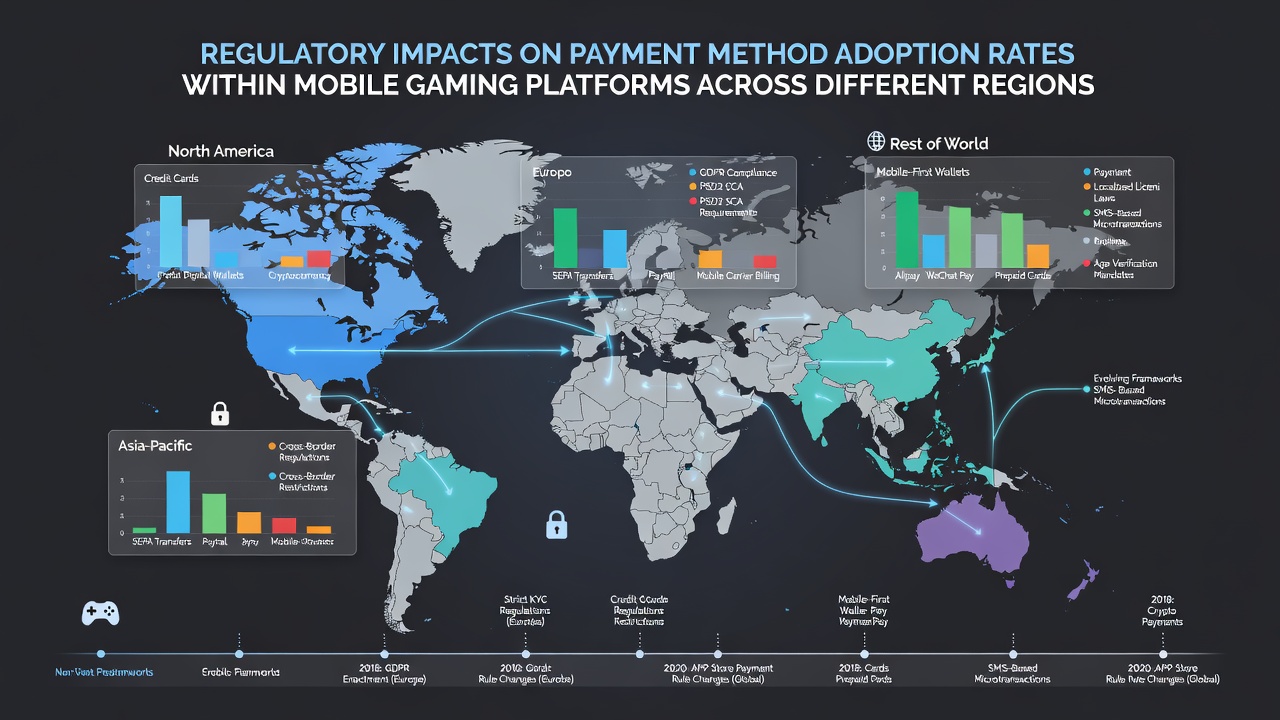
What's interesting is how these rates fluctuate with specific rule changes. When Pennsylvania updated its online gaming statutes in early 2026 to include clearer guidelines for third-party processors, platforms there saw a notable uptick in bank transfer volume. Data indicates that players responded to the added transparency by moving away from credit cards toward direct ACH options, which carried lower fees under the new structure. Those who've examined cross-state comparisons point out that similar adjustments in other markets produce parallel effects, though the magnitude depends on enforcement consistency and operator readiness.
Effects on Emerging Payment Technologies
Regulatory approaches toward newer technologies like cryptocurrency and prepaid cards create additional layers of complexity for mobile gaming platforms. Some states maintain outright prohibitions or require separate approvals that delay rollout, while others permit limited testing under pilot programs. In California, where mobile gaming remains tightly controlled outside tribal agreements, operators report minimal cryptocurrency integration because of overlapping state and federal guidelines that prioritize traditional banking oversight.
But here's the thing: platforms that navigate these hurdles successfully often achieve higher user retention in states that allow hybrid models. Research from academic sources, including analyses published through university gaming studies programs, demonstrates that clear regulatory pathways correlate with faster adoption of secure, tokenized payment systems. Experts tracking developments in Indiana and West Virginia, for example, have documented how updated rules on digital wallets boosted their usage by providing operators with defined compliance roadmaps.
Cross-State Comparisons and Platform Adaptations
Platforms operating across multiple states must maintain separate payment infrastructures to meet local demands, which increases operational costs but also drives innovation in compliance technology. According to industry data compiled by the American Gaming Association, companies that invest in modular payment systems adaptable to varying rules see steadier growth in active users. This pattern holds true even as states continue to refine their approaches through 2026.
Those monitoring enforcement actions observe that fines for non-compliant payment handling serve as strong deterrents, pushing platforms to favor methods with established audit trails. In states like Delaware, where smaller market size combines with rigorous standards, adoption concentrates around a narrow set of approved processors, limiting variety but ensuring stability.
Conclusion
Regulatory frameworks across different states exert measurable influence on payment method adoption within mobile gaming platforms, with outcomes visible in usage statistics and operator strategies through August 2026. Variations in licensing, consumer protections, and technology approvals produce distinct regional patterns that platforms address through targeted compliance measures. Continued tracking by regulatory bodies and research organizations will likely reveal further adjustments as states refine their policies and operators respond with updated systems.