Interwoven Reward Mechanisms and Table Game Selections in Cross-Platform Mobile Gaming
Written by Katja Simmons · Aug 25, 2026
Interwoven Reward Mechanisms and Table Game Selections in Cross-Platform Mobile Gaming
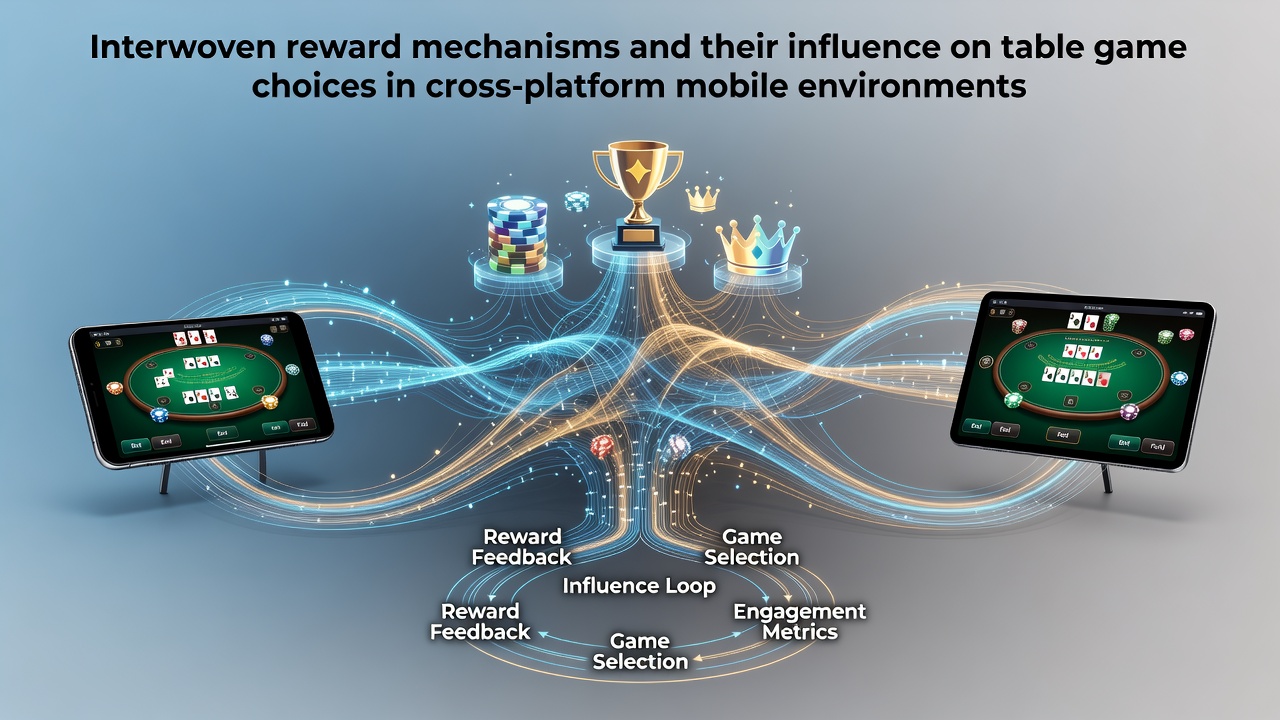
Interwoven reward mechanisms operate by linking point accumulation, bonus triggers, and redemption options across mobile applications that function on multiple operating systems, and these systems have demonstrated measurable effects on player selections among table game variants. Data compiled from platform analytics in August 2026 shows increased participation in live dealer blackjack and roulette when rewards earned on one device transfer directly to sessions on another without reset. Such synchronization reduces friction for users who switch between smartphones and tablets during the same day, leading operators to adjust incentive structures that favor certain table formats over others.
Platform Synchronization and Reward Flow
Cross-platform environments require consistent tracking of player activity, which allows reward points generated during mobile slots to convert into table game credits or tier progression on the same account. Researchers tracking user behavior across fragmented regulatory zones have recorded that seamless transfers correlate with higher retention rates for blackjack variants that include side bets, because those games often carry multipliers tied to the integrated loyalty structure. In contrast, standalone table offerings without reward linkage see lower engagement when players can access the same title through multiple device pathways.
Regional Data Patterns in August 2026
Figures released by the New Jersey Division of Gaming Enforcement indicate that mobile table game revenue portions rose when operators enabled cross-device reward continuity, while similar metrics from the Australian Communications and Media Authority highlight parallel shifts toward roulette formats that accept transferred bonuses. These patterns emerge because players prioritize games where accumulated points from earlier sessions apply immediately, creating a feedback loop that influences variant popularity. Observers note that wheel-and-card simulations benefit particularly when reward algorithms factor in session length across platforms rather than isolating each login.
One documented case involved a major operator adjusting its mobile interface so that live dealer tables displayed real-time reward multipliers synced from prior reel activity, resulting in a documented uptick in table selections within the first month of implementation. Such adjustments align with broader industry reports that connect integrated systems to changes in game mix preferences, especially among users who maintain accounts across iOS and Android environments.
Mechanics Driving Table Game Preferences
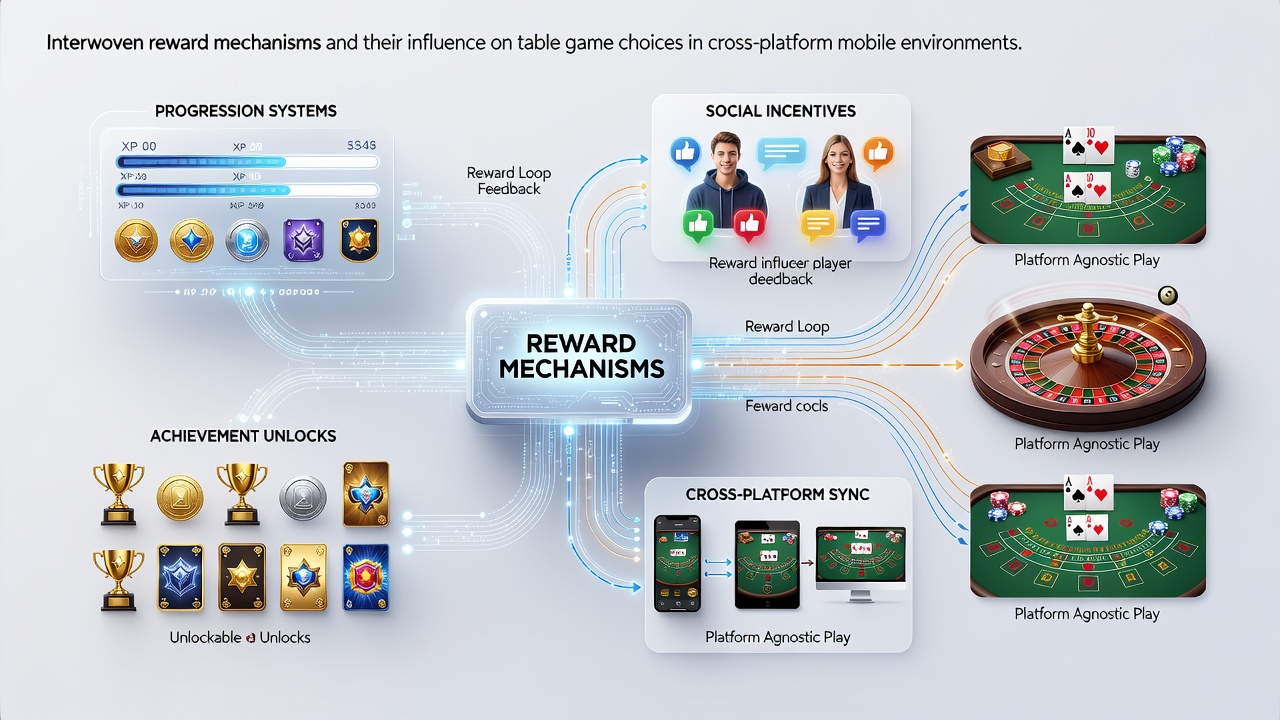
Reward mechanisms that interweave across platforms typically incorporate shared progress bars, where points from any game type contribute to a universal balance redeemable for table-specific perks such as reduced house edges or exclusive dealer interactions. Studies from the University of Nevada, Reno gaming research group have tracked how these shared mechanics steer choices toward variants like European roulette when the reward interface highlights cross-platform eligibility, whereas American roulette sees steadier but less accelerated adoption under the same conditions. The difference stems from how bonus allocation algorithms weight game volatility and session continuity.
Operators in multiple jurisdictions have implemented tiered access that unlocks additional table game features once a player reaches thresholds met through combined mobile activity, and this approach has produced measurable redistribution of play hours away from isolated sessions toward sustained cross-device sequences. Data indicates that players respond to visible reward pathways that span game categories, which in turn affects the relative popularity of table offerings that integrate more readily with the overall ecosystem.
Regulatory and Technical Influences
Technical standards set by bodies such as the Gaming Standards Association support interoperability requirements that enable reward data to flow between mobile applications without jurisdictional conflicts, and these standards have facilitated broader adoption of unified systems. In regions where regulators permit such integration, table game selections shift toward formats that display reward eligibility most prominently on smaller screens. Canadian provincial reports from the Alcohol and Gaming Commission of Ontario show comparable trends, with mobile table traffic concentrating around titles that accept rewards earned on alternate platforms during the same calendar day.
Yet the pace of adoption varies by operator infrastructure, since legacy systems sometimes delay full synchronization and thereby limit the influence on game choice until upgrades occur. Players who encounter partial integration often default to table variants already familiar from single-platform use, which slows the overall transition toward reward-optimized selections.
Conclusion
Interwoven reward mechanisms continue to reshape table game selections in cross-platform mobile settings through synchronized point systems, bonus eligibility, and tier progression that span devices and game categories. August 2026 data from multiple regulatory sources confirms these effects appear consistently where technical and policy conditions allow seamless transfers, directing player attention toward variants that align with the integrated reward flow. As platforms expand compatibility, the connection between reward architecture and table game popularity is expected to strengthen based on existing behavioral patterns.