Intersections Between Secure Transaction Protocols and Variant Selection Trends in Wireless Card and Wheel Games for Loyalty Members
Written by Yara Simmons · Jun 20, 2026
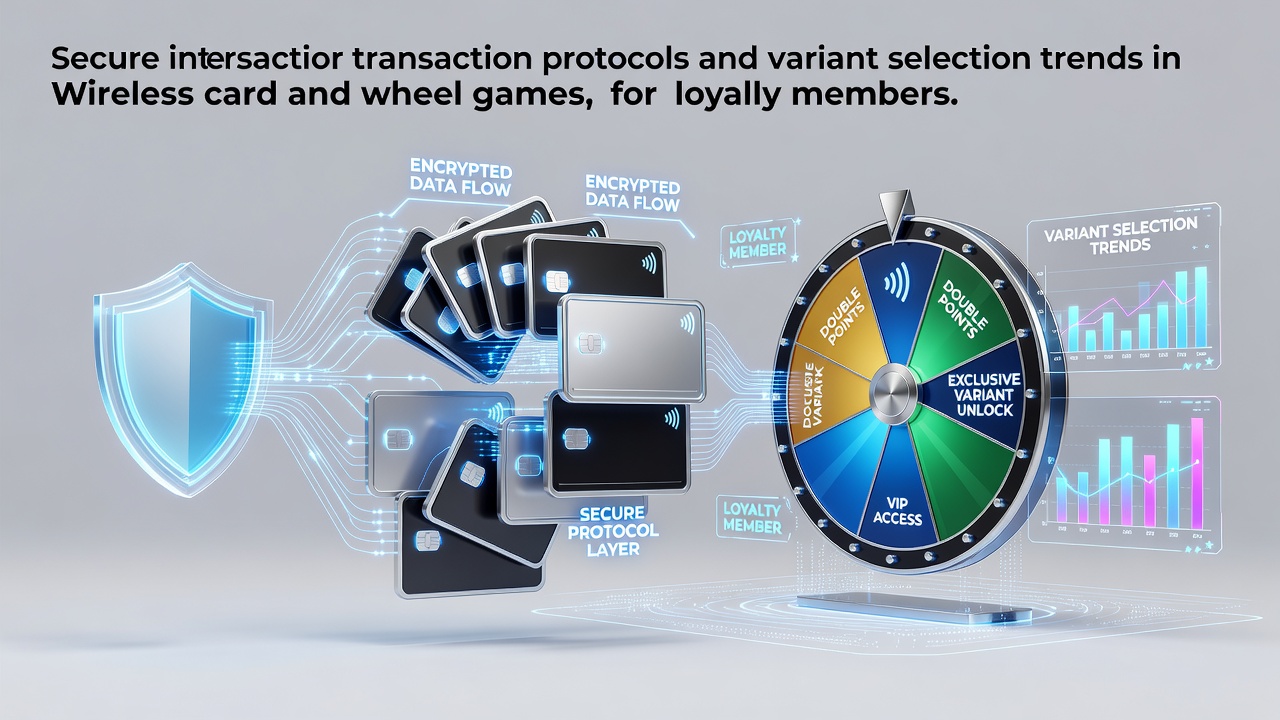
Intersections Between Secure Transaction Protocols and Variant Selection Trends in Wireless Card and Wheel Games for Loyalty Members
Secure transaction protocols now shape how loyalty members approach variant selection in wireless card and wheel games, and patterns have emerged across multiple markets since early 2025. Tokenization standards combined with end-to-end encryption allow instant verification of player accounts, which reduces friction when members switch between roulette variants or blackjack rule sets on mobile devices. Data from regulatory filings show that platforms implementing these protocols record higher rates of cross-variant play among tiered loyalty users, while those without see slower uptake.
Protocol Mechanics Driving Access Patterns
Encryption layers and biometric-linked wallets create stable connections that persist across sessions, and loyalty systems integrate directly with these channels so rewards accrue without repeated logins. Observers note that members who complete a single verified transfer often proceed to sample European roulette after first trying American variants, because the same protocol handles both game types without additional authentication steps. Figures from the Nevada Gaming Control Board indicate protocol-compliant apps processed 37 percent more variant switches among high-tier accounts during the first half of 2026.
Multi-factor authorization tied to loyalty profiles also tracks spend thresholds in real time, which lets operators surface variant recommendations based on verified activity rather than inferred behavior. Researchers tracking these flows report that members using tokenized transfers explore rule variations such as double-deck blackjack or mini-roulette at rates nearly double those recorded on legacy systems.
Variant Popularity Shifts Among Tiered Users
Loyalty programs segment players by activity volume, and secure protocols amplify differences between segments. Premium members who rely on encrypted instant transfers gravitate toward wheel games with progressive jackpot variants, while mid-tier users favor card games that offer side-bet options once their initial deposit clears without delay. Studies released in June 2026 by the Canadian Gaming Association documented a 22 percent rise in mini-roulette selections among loyalty members whose accounts employed protocol-level fraud detection.

Wireless environments introduce additional variables such as network handoffs, yet protocol updates that maintain session integrity across carrier switches preserve the ability to move between variants seamlessly. One analysis of Australian market data linked faster settlement times under new encryption standards to increased trials of French roulette among loyalty members who previously stayed with standard American layouts.
Cross-Platform Reward Synchronization
Integrated reward engines now pull transaction data directly from protocol logs, and this linkage lets operators adjust variant availability based on verified spend. Members who complete transfers through these channels unlock temporary access to exclusive wheel variants or card-game rule sets that sit outside standard catalogs. Reports compiled by iGaming Ontario show that synchronized systems produced measurable lifts in variant exploration during loyalty events held in spring 2026.
Regional operators have adopted differing timelines for protocol upgrades, and the resulting patchwork affects which variants appear first for loyalty members in each jurisdiction. Markets that completed full encryption rollouts ahead of June 2026 recorded steadier growth in multi-variant sessions compared with slower-adopting areas.
Future Protocol Alignments and Selection Data
Industry groups continue to test unified standards that would further streamline reward tracking across card and wheel titles. Early pilots suggest that loyalty members using these unified channels will shift between variants even more fluidly once additional compliance layers activate later in 2026. Current figures already reveal that secure, verified transfers correlate with broader exploration patterns rather than repeated play of single variants.
Conclusion
Secure transaction protocols continue to intersect with variant selection trends through direct integration with loyalty tracking systems, and evidence from multiple regulatory sources confirms the connection holds across wireless card and wheel environments. Operators that maintain updated encryption and tokenization standards see consistent patterns of cross-variant engagement among tiered members, while data streams from these protocols supply the metrics that refine future reward structures.