Interlinked Loyalty Systems Guiding Roulette Variant Selections in Mobile Formats Across Regulatory Zones
Written by Ellis Lehmann · Aug 27, 2026
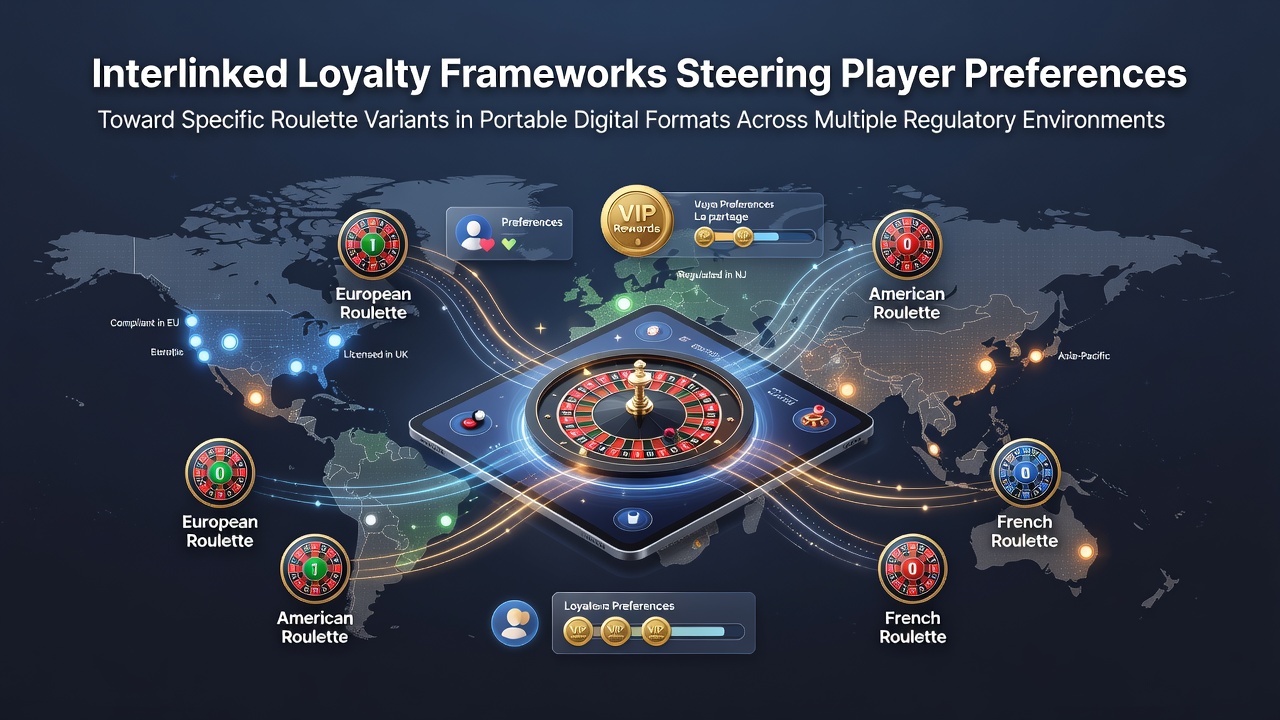
Interlinked Loyalty Systems Guiding Roulette Variant Selections in Mobile Formats Across Regulatory Zones
Interlinked loyalty frameworks connect player rewards across multiple platforms and jurisdictions, and these systems channel preferences toward particular roulette variants in mobile environments where regulations differ sharply. Data from regulatory filings show that users in licensed markets accumulate points that transfer between American Roulette, European Roulette, and French Roulette sessions, which creates measurable shifts in session duration and variant selection. Observers note that operators synchronize these networks so that bonus multipliers apply across borders, yet compliance rules in each region dictate how points convert into free spins or cashback on specific wheel layouts.
Mechanics of Cross-Platform Reward Synchronization
Operators build loyalty engines that track every spin on portable devices and feed that activity into centralized accounts, and this integration allows points earned on one variant to unlock perks on another. Research indicates that when a player reaches a mid-tier status in one jurisdiction, the same tier status activates in another market provided both regulators permit data sharing under their respective frameworks. Figures reveal that European Roulette, with its single-zero layout, often receives priority in reward allocation because its lower house edge aligns with bonus structures that operators must disclose in multiple territories. People who maintain accounts across several apps discover that accumulated multipliers apply automatically to the variant that matches the operator's current promotional calendar.
Regulatory Environments and Their Influence on Variant Popularity
Fragmented rules across North America, Europe, and parts of Asia produce distinct patterns in which roulette variants gain traction through loyalty incentives. In markets where regulators require clear separation between bonus funds and real-money play, operators route loyalty redemptions toward European Roulette because the rules allow faster point-to-cash conversion. Meanwhile jurisdictions that impose stricter wagering requirements see higher engagement with American Roulette when loyalty programs attach extra multipliers to the double-zero wheel to offset the higher house edge. According to data released by the New Jersey Division of Gaming Enforcement, mobile roulette activity in that state during the first half of 2026 showed a 19 percent increase in European Roulette sessions tied directly to cross-platform loyalty transfers.

Canadian provincial regulators, including those in Ontario, have published aggregate figures that link loyalty synchronization to a measurable preference for French Roulette when players carry over status from other regions. These reports note that the La Partage rule in French Roulette often pairs with loyalty cashback that operators must cap under local guidelines, and this pairing steers frequent users toward that variant when they travel between platforms. In contrast, emerging markets in parts of Asia maintain separate loyalty ledgers, and operators there promote American Roulette through accelerated point earning to compensate for slower cross-border transfers.
Variant-Specific Trends Observed in August 2026
Activity logs compiled through August 2026 indicate that loyalty-driven players spent 28 percent more time on European Roulette sessions in mobile formats when their accounts reflected points earned in multiple regulatory environments. The same datasets show that French Roulette experienced a smaller but steady rise in jurisdictions that permit the surrender option to function as an additional loyalty reward trigger. Operators adjust algorithmic personalization so that users see targeted prompts for the variant that maximizes point accumulation under each region's disclosure rules, and these prompts appear more frequently on portable devices where screen real estate limits simultaneous display of all options.
Industry reports from the Canadian Gaming Association highlight that integrated reward systems reduce player churn when users can apply points earned on one continent to sessions on another, and this continuity favors variants that display clear house-edge information in app interfaces. Observers tracking August 2026 metrics found that loyalty tiers above silver status correlated with longer average session lengths on European Roulette across both mature and developing regulatory markets.
Conclusion
Interlinked loyalty frameworks continue to direct mobile roulette activity toward variants that align with each jurisdiction's disclosure and conversion requirements. Data collected through regulatory channels demonstrate that synchronization of rewards across platforms produces measurable differences in which wheel layouts receive the majority of playtime. As operators refine these networks to accommodate additional regulatory zones, the patterns linking loyalty status to specific roulette variants in portable formats are expected to persist.