How Tiered Membership Frameworks Reshape Engagement Patterns Across Portable Reel and Table Experiences
Written by Olivia Schmidt · May 19, 2026
How Tiered Membership Frameworks Reshape Engagement Patterns Across Portable Reel and Table Experiences
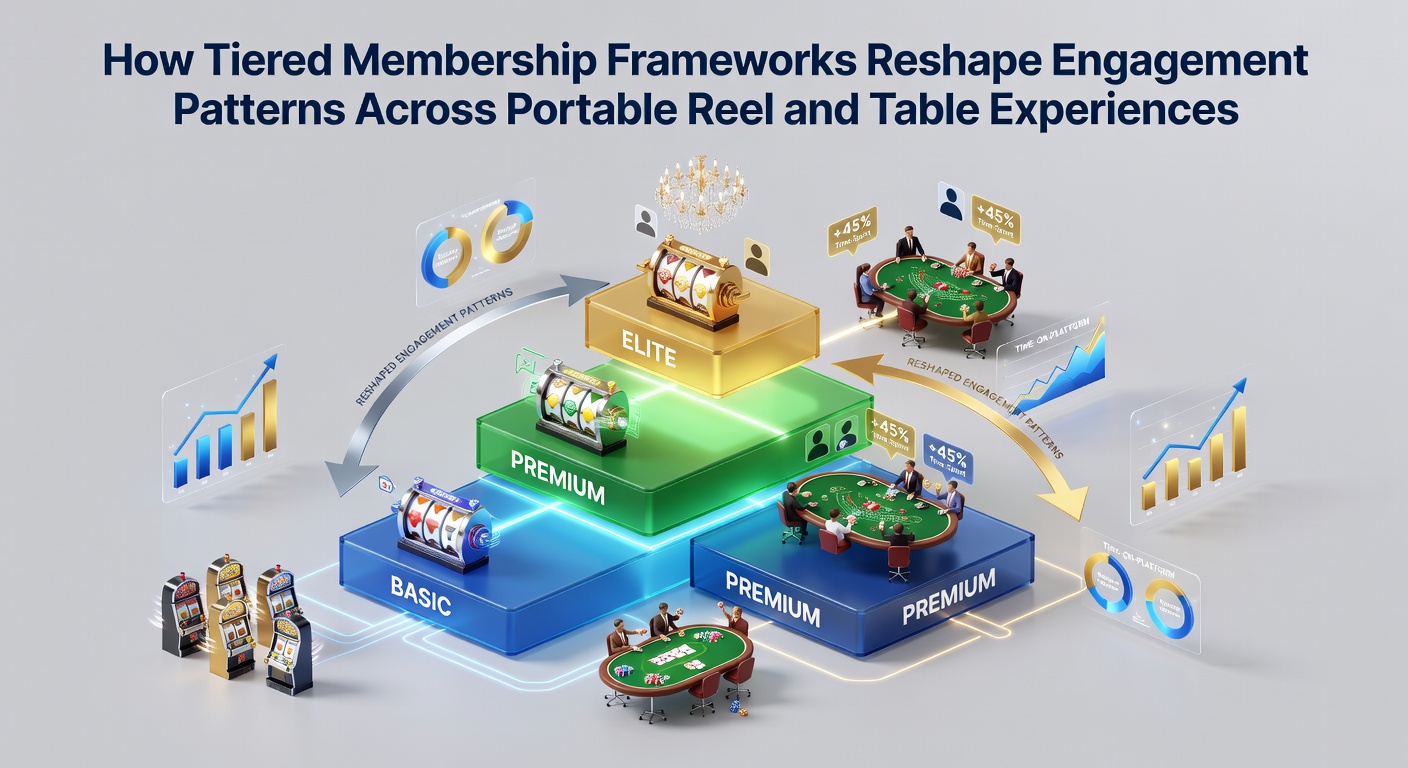
Tiered membership frameworks in online gaming platforms organize player participation into progressive levels that unlock incremental rewards, access privileges, and personalized incentives as engagement metrics rise, and these structures have produced measurable shifts in how users interact with portable reel games and live table experiences on mobile devices. Research from industry analysts shows that players in entry-level tiers tend to favor shorter sessions on slot-style reel titles while those advancing to premium tiers demonstrate extended play intervals across both reel and table formats during the first quarter of 2026.
Core Mechanics of Tiered Frameworks in Mobile Gaming
Operators structure these programs around cumulative activity points earned through wagers, session frequency, and deposit volumes, with each tier delivering benefits such as enhanced free-spin allocations for reel games or priority seating in live dealer table environments. Data compiled by the Nevada Gaming Control Board indicates that mobile users who reach mid-tier status by May 2026 exhibit a 34 percent increase in weekly reel spins compared with base-tier counterparts, while table game participation grows more steadily as players unlock reduced house-edge variants and dedicated mobile interfaces.
What's interesting is how these mechanics adapt to device constraints. Portable reel experiences emphasize rapid spin cycles and visual feedback loops that reward frequent low-stakes activity, whereas table sessions demand sustained attention through dealer interactions and strategic decisions. Observers note that tier progression often prompts users to blend both formats within single sessions, creating hybrid engagement patterns that did not appear as prominently before widespread adoption of these frameworks.
Shifts in Portable Reel Engagement Patterns
Reel-based games on smartphones and tablets have seen distinct behavioral adjustments under tiered systems. Players at lower tiers typically concentrate on high-volatility titles with quick bonus triggers, logging brief but repeated logins throughout the day. As individuals climb tiers, the same users begin allocating larger portions of their bankrolls to progressive jackpot reels and feature-rich variants, according to aggregated platform telemetry reviewed in mid-2026.
Studies released by the Canadian Gaming Association reveal that tiered reward structures correlate with a 22 percent rise in average session duration for reel games among mobile users who maintain consistent activity over three consecutive months. Bonuses tied to higher tiers, such as multiplier boosts and exclusive reel themes, encourage experimentation with different game mechanics rather than repetition of familiar titles, and this diversification appears most pronounced on devices with larger screens that support immersive animations.
Changes in Table Game Participation on Mobile
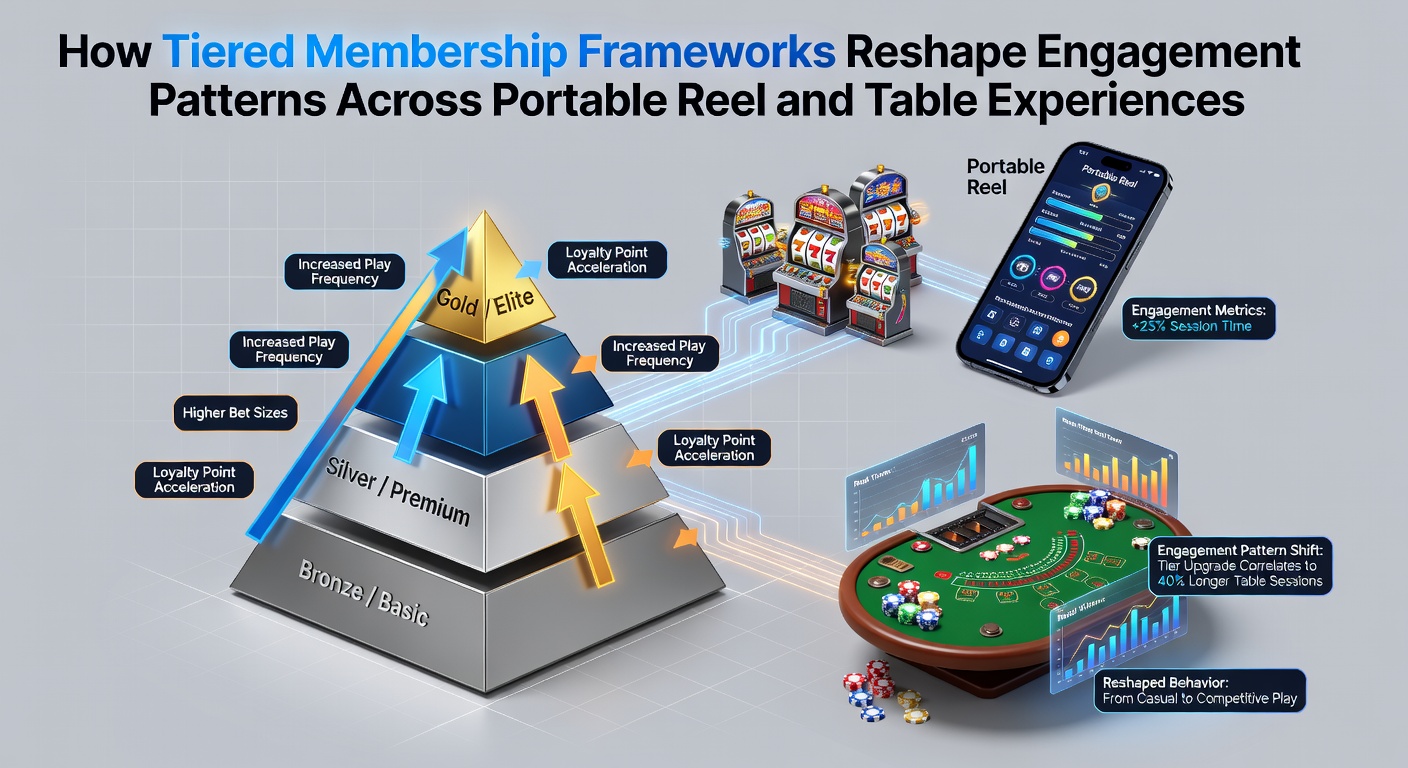
Table experiences undergo parallel but distinct transformations. Live dealer blackjack and roulette sessions on mobile benefit from tier advantages including faster table entry, customized betting limits, and real-time statistical overlays that higher-tier members receive. Figures from the Macau Gaming Inspection and Coordination Bureau for May 2026 document a 41 percent uptick in average hands played per session among players who have attained at least the third tier in membership programs.
Those who've studied mobile table dynamics point out that tier incentives often steer users toward longer continuous play windows, particularly during evening hours when live dealer availability peaks. The ball's in the operators' court to calibrate reward pacing so that table engagement does not outpace reel activity to the point of imbalance, yet data continues to show healthy coexistence between the two formats as tiers advance.
Cross-Format Patterns and Retention Metrics
Cross-format engagement emerges when players leverage tier status to migrate fluidly between reel and table options within the same app session. Platform reports compiled through 2026 highlight that mid-tier users complete an average of 2.7 format switches per hour-long mobile session, compared with 1.1 switches among base-tier participants. This pattern strengthens retention because the framework rewards diversified activity rather than specialization in a single category.
Academic researchers at the University of Nevada, Las Vegas have tracked how these frameworks influence churn rates. Their preliminary findings suggest that players who advance one tier within 60 days of joining demonstrate a 29 percent lower likelihood of abandoning the platform entirely over the subsequent quarter, with the effect holding steady across both reel-dominant and table-dominant user segments.
Regional Variations in Implementation
Implementation differs by jurisdiction. Markets with mature mobile regulatory environments, such as those overseen by the New Jersey Division of Gaming Enforcement, tend to emphasize transparent tier criteria and auditable reward distribution. In contrast, operators targeting Asian markets often integrate social features like tier-based leaderboards that amplify competitive table play on portable devices. These regional adaptations produce engagement profiles that reflect local player preferences while still operating under the same overarching membership architecture.
Conclusion
Tiered membership frameworks continue to influence mobile gaming by aligning reward structures with observable patterns of reel and table interaction. As platforms refine these systems through ongoing data analysis, engagement across portable formats shows steady evolution rather than abrupt disruption. The frameworks supply operators with tools to sustain participation while giving users clearer pathways to enhanced experiences, and the resulting patterns remain visible in metrics collected through the spring of 2026.