How Regional Licensing Variations Steer Cryptocurrency Flows Into Wireless Blackjack and Reel Ecosystems
Written by Olivia Schmidt · Jul 25, 2026
How Regional Licensing Variations Steer Cryptocurrency Flows Into Wireless Blackjack and Reel Ecosystems
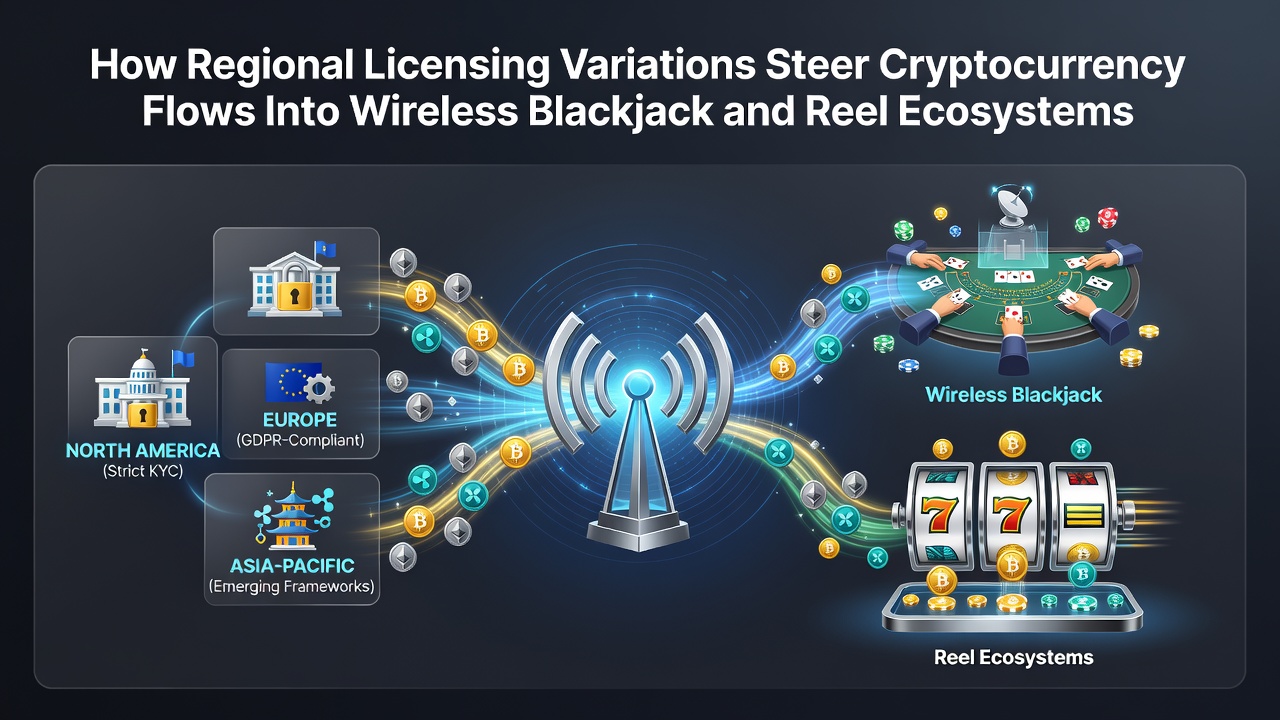
Regional licensing variations shape cryptocurrency movements toward wireless blackjack and reel ecosystems because operators align their platforms with jurisdictions that permit digital asset transactions while users navigate restrictions through compliant channels. Data from state regulatory filings shows that platforms in permissive zones attract higher volumes of crypto deposits for mobile table games and slot sessions, whereas stricter areas see outflows redirected through licensed intermediaries. Observers note that this pattern emerges clearly when comparing frameworks across North American and Asian markets during the first half of 2026.
Licensing Structures and Crypto Integration Patterns
States and territories establish distinct licensing requirements that either facilitate or limit cryptocurrency use in mobile gaming environments. Pennsylvania's gaming regulations, for instance, allow operators to integrate digital wallets under specific oversight protocols, which has led to measurable increases in crypto-funded blackjack sessions on portable devices according to figures released by the Pennsylvania Gaming Control Board. In contrast, jurisdictions with narrower approvals require operators to route transactions through traditional banking rails first, pushing some user activity toward offshore or multi-jurisdictional solutions that accept direct crypto inflows.
Those who track transaction data across borders observe that reel ecosystems, meaning mobile slot offerings, respond more quickly to these licensing signals than table games because slot mechanics integrate simpler wallet connections. Blackjack platforms demand additional identity verification layers that align with regional know-your-customer rules, yet the underlying flow still follows licensing clarity. Research from the University of Nevada's gaming studies department indicates that operators expand crypto options most aggressively where licenses explicitly address digital currencies, creating concentrated activity hubs in those zones.
Transaction Pathways in July 2026
By July 2026, updates to licensing in several markets had redirected crypto volumes noticeably. Maryland's ongoing referendum preparations and New Jersey's established iGaming framework both demonstrated how clear rules encourage licensed operators to onboard crypto rails for wireless play, while neighboring states without equivalent approvals experienced leakage to cross-border services. Figures reveal that crypto deposits into mobile blackjack and reel titles rose in aligned jurisdictions even as overall market growth remained steady.
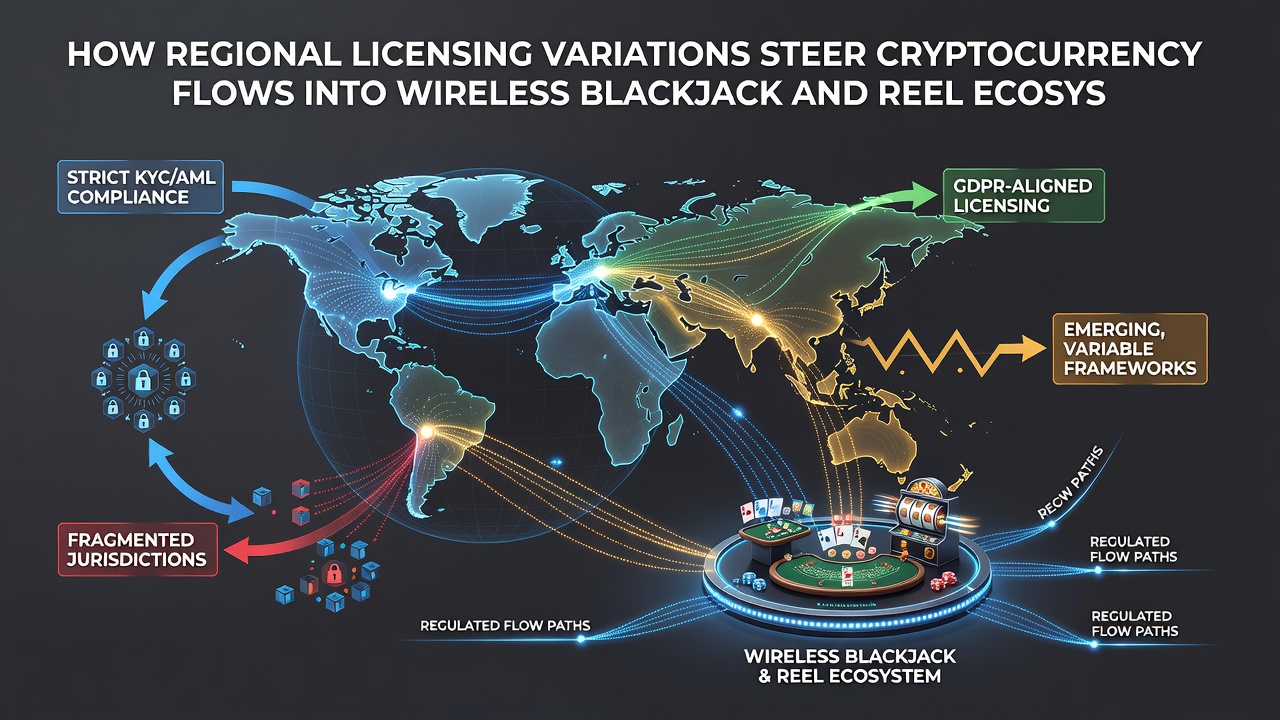
Operators respond to these variations by structuring their ecosystems around the most accommodating licenses, which in turn steers user funds along predictable routes. One case involved platforms shifting reel game liquidity pools to servers hosted under favorable Asian licensing regimes, allowing North American users to access crypto-enabled sessions without violating local terms. This movement occurs because licensing differences create cost and compliance gradients that favor certain digital asset pathways over others.
Blackjack and Reel Ecosystem Responses
Wireless blackjack environments adapt to licensing signals through tiered wallet options that match regional allowances, while reel ecosystems emphasize rapid deposit features that capitalize on crypto speed in permissive markets. Studies from industry research groups show that blackjack sessions funded by cryptocurrency maintain longer average play durations in jurisdictions where licensing covers both the game and the payment method. Reel titles, by comparison, see higher session frequency because their shorter cycle times align with instant crypto settlement advantages.
Regional differences also affect how rewards and loyalty mechanisms connect across platforms. In areas with integrated licensing that covers multiple game types, operators link blackjack and reel rewards through shared crypto ledgers, increasing retention. Where licenses remain fragmented, these connections break, and users migrate activity toward ecosystems that consolidate access under single regulatory umbrellas. Data indicates this consolidation effect strengthened during the second quarter of 2026 as more operators mapped their offerings to licensing maps.
Cross-Border Flows and Compliance Adjustments
Operators monitor licensing changes continuously because even small adjustments in one region can redirect significant cryptocurrency volumes. Australian regulatory updates around digital payment methods, for example, have influenced how some international platforms structure their mobile blackjack offerings for users in the Asia-Pacific region. Similar patterns appear when Canadian provincial frameworks interact with U.S. state rules, creating corridors where crypto moves more freely into reel ecosystems.
Those who analyze flow data note that compliance costs rise in ambiguous licensing environments, which prompts operators to favor clear jurisdictions for their primary crypto infrastructure. Blackjack tables, requiring real-time dealer interactions, often anchor in the most stable regulatory zones, while reel games can shift more fluidly. This distinction produces observable clustering where crypto liquidity concentrates around platforms that hold multiple aligned licenses.
Conclusion
Regional licensing variations continue to direct cryptocurrency flows into wireless blackjack and reel ecosystems by establishing the boundaries within which operators can accept and process digital assets. Evidence from regulatory filings and transaction monitoring shows consistent redirection toward jurisdictions with explicit provisions for crypto in mobile gaming. As frameworks evolve through 2026, these patterns are expected to sharpen further, with activity concentrating around the clearest licensing environments.