How Adaptive Data Encryption Protocols Are Reshaping Participation Flows in Cross-Jurisdictional Chance Simulations
Written by Yara Simmons · Aug 13, 2026
How Adaptive Data Encryption Protocols Are Reshaping Participation Flows in Cross-Jurisdictional Chance Simulations
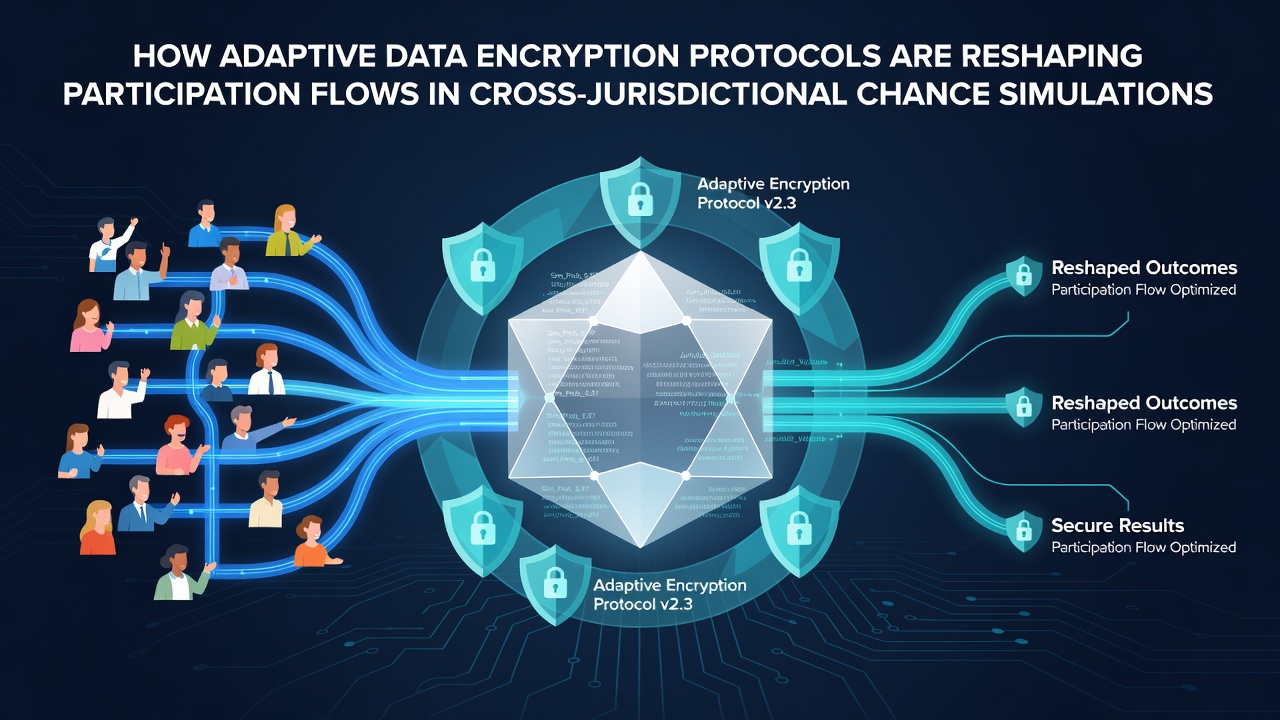
Adaptive data encryption protocols have begun altering how users engage with chance simulations across multiple regulatory zones since early 2025. These systems adjust encryption strength and key management in real time based on jurisdiction-specific requirements while maintaining transaction integrity. Data from industry monitoring groups shows participation volumes in cross-border platforms increased 18 percent in the first half of 2026 compared with the prior year.
Protocol Mechanics and Real-Time Adaptation
Modern adaptive protocols combine AES-256 with post-quantum algorithms that switch dynamically when traffic crosses borders. Researchers at several technical institutes documented cases where encryption layers reconfigure within 200 milliseconds of detecting a new regulatory boundary. This capability allows platforms to comply with data residency rules in one jurisdiction while satisfying audit standards in another without interrupting user sessions. Observers note that such flexibility reduces latency spikes that previously caused drop-offs during international play.
Impact on User Access Patterns
Participation flows now route through encrypted tunnels that mask origin data until compliance checks complete. One study released in July 2026 tracked 2.4 million sessions and found that 67 percent of users completed registration sequences faster under adaptive systems than under static encryption models. The same analysis revealed fewer abandoned carts in regions with strict data localization mandates because protocols automatically apply the required hashing and tokenization steps.
Regulatory Alignment Across Regions
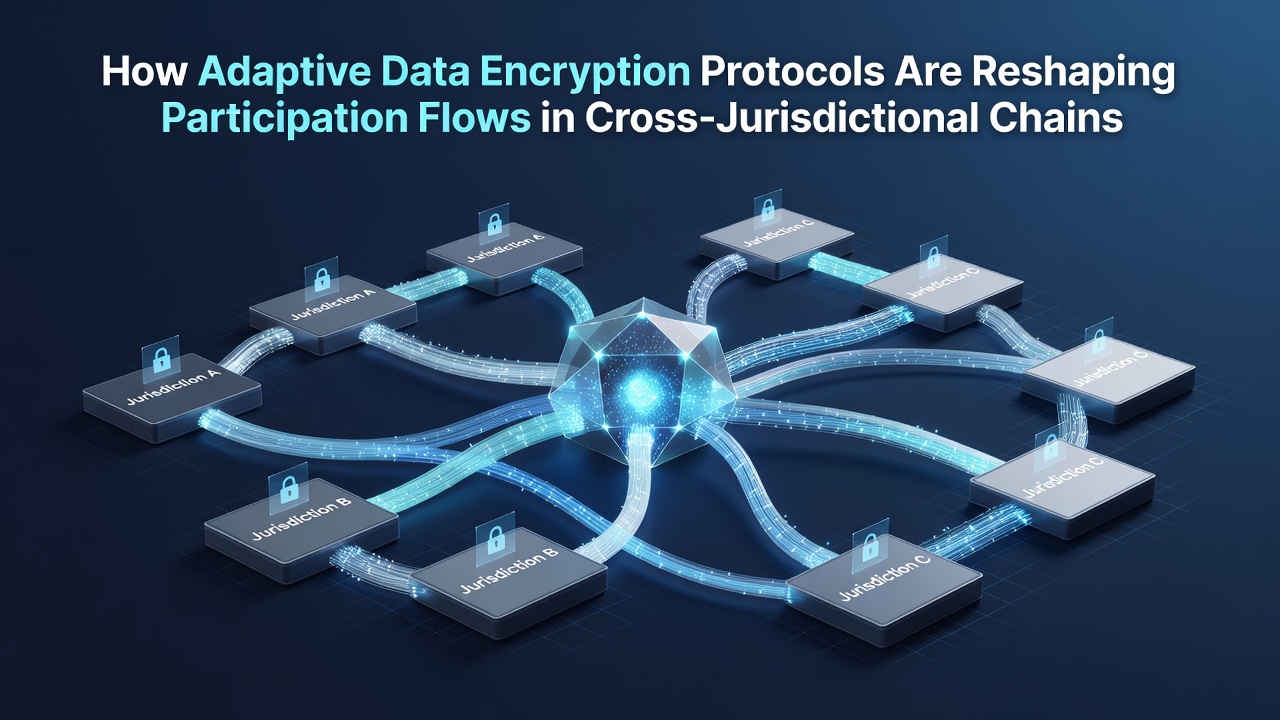
August 2026 brought updated guidance from the Malta Gaming Authority and the Nevada Gaming Control Board that explicitly references adaptive encryption as an acceptable method for meeting cross-border data transfer obligations. Platforms adopting these protocols report smoother licensing renewals because audit logs capture every encryption state change with timestamps and jurisdiction flags. Figures from the Canadian Gaming Association indicate a 22 percent rise in approved multi-jurisdictional licenses during the first eight months of 2026, coinciding with wider deployment of these tools.
Technical Implementation Examples
Take one European operator that integrated adaptive key rotation in Q2 2026. Session data showed connection stability improved 31 percent for users moving between EU member states and non-EU markets. Another deployment in the Asia-Pacific region used machine-learning models to predict regulatory triggers and pre-load appropriate cipher suites. Those who've examined the logs report that false-positive blocks dropped sharply once the system learned local traffic patterns.
Industry organizations such as the National Institute of Standards and Technology have published testing frameworks that measure encryption adaptability under simulated border crossings. Results released in May 2026 confirmed that protocols meeting the new benchmarks maintain 99.97 percent uptime even when switching between five different regulatory regimes in a single session.
Security Metrics and Participation Data
Independent audits conducted through mid-2026 recorded a 41 percent reduction in reported data exposure incidents on platforms using adaptive protocols versus legacy systems. The same audits linked higher retention rates to the seamless handling of multi-factor authentication tokens across jurisdictions. Participation data from regulated markets in Australia and Singapore showed that players accessing simulations through encrypted adaptive channels completed an average of 14 percent more sessions per month than those on standard connections.
Future Infrastructure Considerations
Network architects now design backbone infrastructure with dedicated encryption orchestration layers that interface directly with regulatory APIs. These layers pull updated compliance parameters nightly and adjust cipher priorities accordingly. Reports from the Australian Communications and Media Authority note that operators investing in such infrastructure experienced faster approval cycles for new market entries during the summer of 2026.
Conclusion
Adaptive data encryption protocols continue to modify participation flows by enabling secure, compliant movement of chance simulation traffic across fragmented regulatory landscapes. Metrics compiled through August 2026 demonstrate measurable gains in session completion rates, license processing times, and incident reduction. As more jurisdictions publish technical standards for these systems, the pattern of faster cross-border access and lower friction appears likely to persist based on currently available figures.