Examining Interconnected Loyalty Networks That Synchronize Rewards Across Mobile Slots and Traditional Table Offerings
Written by Casey Werner · May 26, 2026
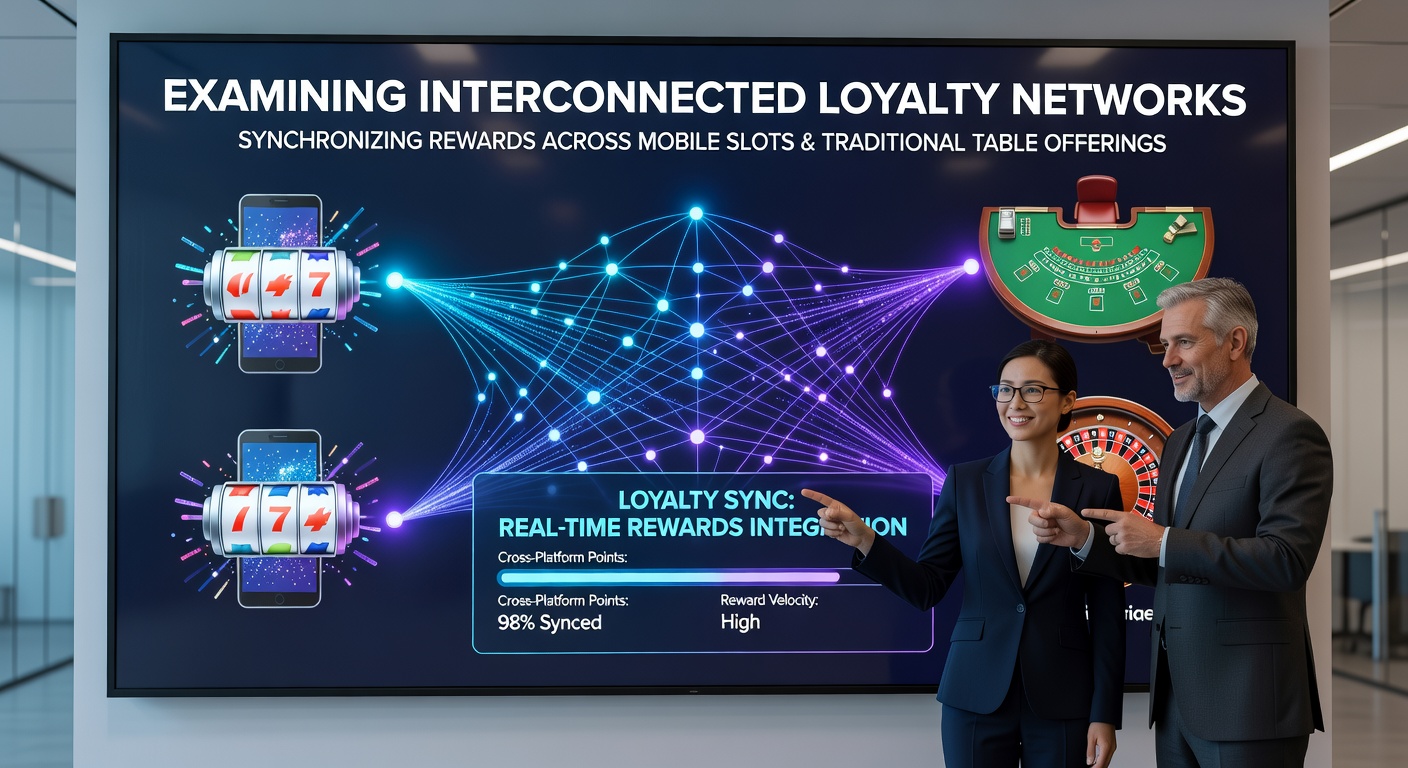
Examining Interconnected Loyalty Networks That Synchronize Rewards Across Mobile Slots and Traditional Table Offerings
Operators have built loyalty networks that connect mobile slot play directly with traditional table game rewards, allowing points and tier credits to move seamlessly between the two formats without separate accounts or manual transfers. These systems rely on centralized databases that update in real time as players switch between their phones and physical casino floors, and data from multiple jurisdictions indicates steady adoption through the first half of 2026.
Mechanics of Cross-Platform Reward Synchronization
Modern loyalty platforms assign a single player identifier that tracks activity on both mobile reels and live tables, then convert that activity into unified points using algorithms calibrated for each game type. Mobile slot spins generate points at one rate while table game wagers accumulate credits at another, yet both feed the same balance that unlocks comps, free play, and tier status. Integration happens through API connections between the mobile app and the casino management system, so a player finishing a blackjack session on the floor sees updated rewards immediately available for use on their phone later that evening.
According to figures released by the New Jersey Division of Gaming Enforcement, operators using these synchronized networks reported higher average session lengths across both channels compared with standalone programs. The same data shows that points earned on mobile slots contributed to table game comp redemptions at a rate that increased throughout 2025 and into May 2026, when several properties completed software upgrades to shorten sync delays to under three seconds.
Integration Patterns Observed in 2026
Casino groups operating across multiple states have rolled out tiered structures where mobile and floor activity together determine access to VIP lounges, personalized offers, and expedited withdrawals. Players receive notifications on their devices when table game play pushes them into a new tier, and the same dashboard displays available rewards from either format. Research conducted by the University of Nevada, Reno gaming research center found that networks linking these two categories reduced account fragmentation by 40 percent in the properties studied, because participants no longer needed duplicate logins or separate tracking cards.
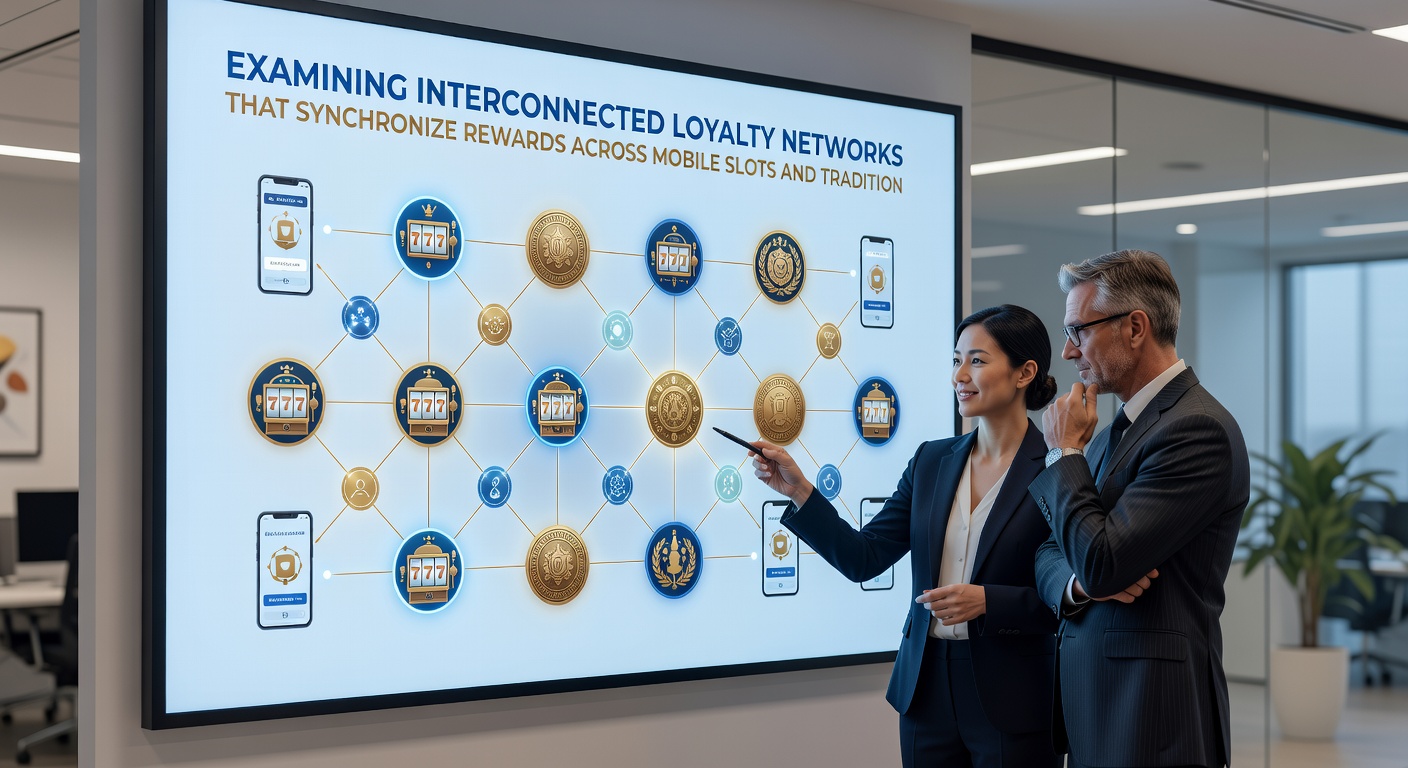
What's interesting is how these networks handle different game mathematics. Slot volatility and table game hold percentages feed into the same loyalty engine through weighted formulas, so high-volume table players do not outpace mobile users or vice versa. Operators adjust the weighting quarterly based on revenue reports, and several properties announced calibration changes in April 2026 that aligned mobile slot multipliers more closely with baccarat and roulette activity.
Security and Compliance Considerations
Secure transfer protocols underpin the entire system, with encrypted handshakes between mobile devices and casino servers that meet or exceed standards set by state regulators. Multi-factor authentication protects point balances, while audit logs record every transfer between mobile and table environments. Australian gambling research organizations have published technical papers detailing similar encryption methods used by operators licensed in that country, noting that synchronized networks require fewer reconciliation audits than separate mobile and floor programs because all activity routes through one ledger.
Those who've studied these platforms note that regulatory reporting becomes simpler when rewards data sits in a single database rather than multiple siloed systems. In May 2026, several U.S. states updated their data submission requirements to accept unified loyalty reports, which reduced paperwork for operators already running interconnected networks.
Examples of Network Implementation
One regional operator in the Midwest connected its mobile slot platform to table game pit systems in early 2026, allowing players to earn dining credits from either channel that could be redeemed at any property within the group. Another group with locations in two states introduced a feature where table game wins automatically boost mobile slot bonus multipliers the following day, and early usage logs showed consistent uptake among patrons who previously limited play to one format. These cases illustrate how the same technical backbone supports different marketing strategies while maintaining a single rewards currency.
Conclusion
Interconnected loyalty networks continue to expand because they consolidate player data, streamline reward delivery, and satisfy regulatory expectations for transparent tracking. As of May 2026, the technical components exist to keep mobile slots and traditional table offerings inside one ecosystem, and operators that have completed the integration report measurable shifts in how patrons distribute their play across both channels. The pattern shows continued refinement of weighting formulas, faster synchronization speeds, and broader acceptance of unified reporting formats among oversight bodies.