Dissecting Reward Integration Mechanics Across Multi-Jurisdictional Digital Entertainment Systems
Written by Ellis Lehmann · Jun 11, 2026

Dissecting Reward Integration Mechanics Across Multi-Jurisdictional Digital Entertainment Systems
Digital entertainment platforms that operate across state and national borders face complex requirements when they attempt to synchronize player rewards, and these systems must account for varying tax rules, licensing conditions, and data protection standards in each location.
Operators collect loyalty data from mobile applications, web portals, and live dealer environments, then route that information through centralized servers that apply jurisdiction-specific filters before credits or bonuses reach user accounts; the process involves real-time compliance checks that reference local statutes on bonus structures and withdrawal limits.
Regulatory Frameworks Shaping Reward Flows
Multiple jurisdictions maintain distinct definitions of what constitutes a taxable reward or a restricted promotional offer, and platform providers therefore embed conditional logic into their integration layers so that a player logging in from one region receives different point multipliers than an account holder in another area.
Data from June 2026 shows that several North American operators adjusted their cross-border reward engines after updates to state-level reporting requirements, which forced additional verification steps before accumulated credits could transfer between mobile slots and table game modules.
Researchers at academic institutions tracking these changes note that synchronization protocols now include timestamped audit trails that regulators can query directly, and these trails document every instance where a reward calculation crossed a jurisdictional boundary.
Technical Architecture Behind Cross-Border Synchronization
Integration engines rely on application programming interfaces that translate reward values into standardized units before applying location-based rules, and this translation layer sits between the player-facing application and the core loyalty database.
Secure transfer protocols encrypt each data packet while embedding metadata that identifies the originating regulatory zone, allowing downstream systems to validate eligibility without exposing full player profiles across borders.
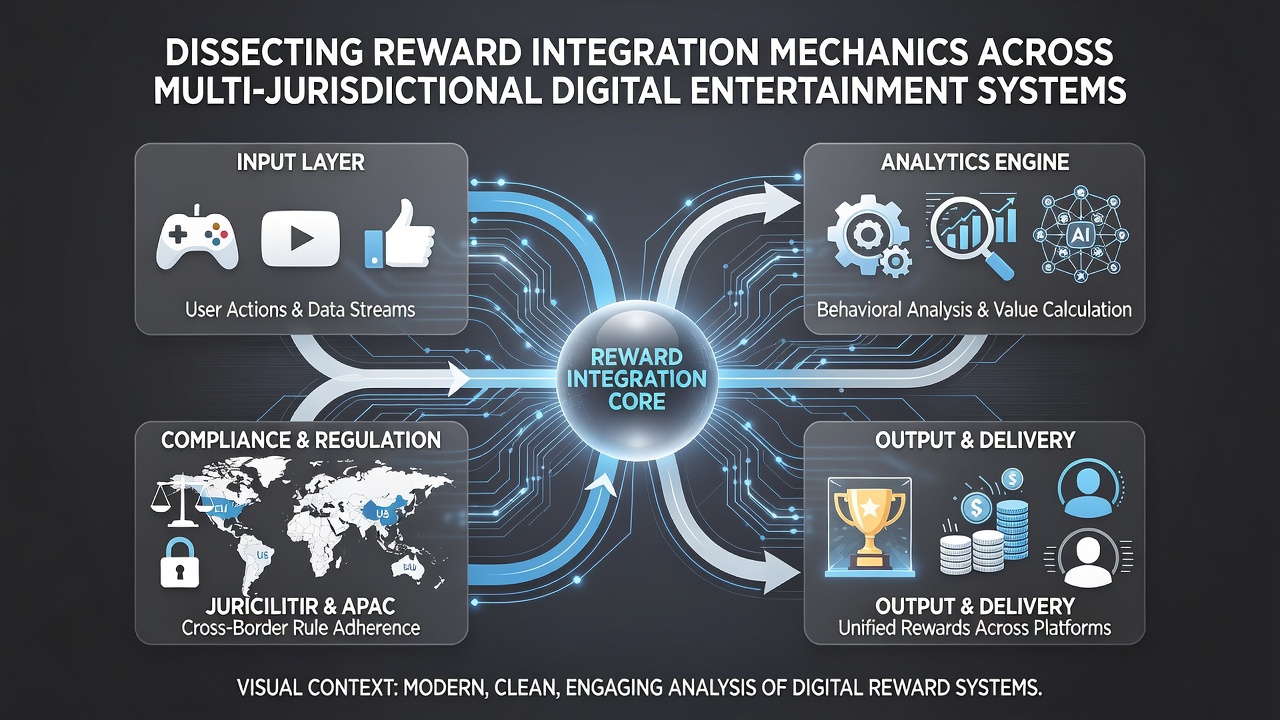
One documented implementation uses a rules engine that evaluates player location at the moment of reward redemption, then recalculates the final value according to the stricter of the two applicable regulatory sets when a transaction spans regions.
Case Examples from Active Markets
Platforms serving both European and Asian markets have implemented segmented reward pools that prevent points earned under one licensing regime from automatically converting into credits valid under another, and this separation helps operators avoid conflicts with local caps on promotional value.
According to figures released by the New Jersey Division of Gaming Enforcement, integrated systems processed over 14 million cross-platform reward transactions in the first half of 2026, with the majority involving mobile reel games feeding into live dealer environments while respecting state-specific taxation thresholds.
Observers at industry research bodies such as the European Gaming and Betting Association have documented similar patterns in multi-state deployments, where operators maintain separate ledger entries for each regulatory zone even when the same player account participates in activities across those zones.
Security and Compliance Considerations
Biometric authentication layers now feed into reward allocation routines, confirming player identity before any points migrate between platforms, and these checks occur at the edge devices as well as at central processing nodes.
Encryption standards mandated by multiple authorities require that reward metadata remain segregated during transit, and operators achieve this by assigning unique cryptographic keys to each jurisdictional segment of the integration pipeline.
Studies from university-affiliated gaming research centers indicate that such segmented encryption reduces the risk of data leakage while still allowing aggregate analytics that do not reveal individual player details across borders.
Conclusion
Reward integration across multi-jurisdictional digital entertainment systems continues to evolve as operators refine their technical and procedural safeguards to satisfy overlapping regulatory demands, and the mechanisms described here reflect documented practices observed in active markets through mid-2026.