Decoding Algorithmic Personalization in Reward Allocation Across Portable Gaming Ecosystems
Written by Yara Simmons · May 30, 2026
Decoding Algorithmic Personalization in Reward Allocation Across Portable Gaming Ecosystems
Portable gaming ecosystems encompass mobile applications and tablet platforms where algorithmic systems determine reward distribution based on user behavior patterns, session durations, and engagement metrics collected across devices. These systems operate through machine learning models that process real-time inputs to adjust incentives such as virtual currency, power-ups, or progression bonuses while maintaining consistency between iOS and Android environments.
Core Mechanisms Behind Personalization Algorithms
Algorithms in these ecosystems rely on collaborative filtering techniques combined with reinforcement learning loops that predict optimal reward timing and type for each account. Data streams from touch interactions, in-game purchase history, and cross-device login patterns feed into centralized servers that recalibrate offers every few minutes during active play. Researchers at academic institutions have documented how these models achieve higher retention rates when they segment users into clusters defined by play frequency and spend velocity rather than broad demographic categories.
Device portability introduces additional variables because latency differences between Wi-Fi and cellular connections influence reward delivery speed. Systems compensate by prioritizing lightweight computations on the client side while reserving heavier personalization logic for cloud processing. In May 2026, platform updates from major operating system providers incorporated stricter API controls that limit how much behavioral data transfers between apps, prompting developers to refine on-device models accordingly.
Data Inputs and Cross-Platform Synchronization
Portable ecosystems gather telemetry from accelerometer readings, screen orientation changes, and battery level indicators alongside traditional gameplay statistics. This expanded dataset allows models to correlate physical context with reward responsiveness, such as issuing more frequent micro-rewards during short commuting sessions versus extended evening play. Synchronization across devices occurs through encrypted user profiles that update reward ledgers whenever an account logs in from a new hardware instance.
Industry reports indicate that synchronization protocols now handle up to 40 percent more variables than in prior years because of expanded 5G coverage and improved edge computing capabilities. Observers note that these protocols reduce reward duplication errors that previously occurred when players switched between phone and tablet mid-session. External analyses from organizations such as the Federal Trade Commission have examined how such data flows comply with consumer protection standards in multiple jurisdictions.
Allocation Strategies Across Different Game Genres
Strategy titles often deploy time-gated rewards calibrated to individual progression curves, whereas casual puzzle games emphasize streak-based incentives adjusted daily according to completion rates. Battle arena titles integrate team performance signals into personal reward formulas so that individual contributions receive weighted recognition even within group outcomes. These genre-specific adjustments rely on transfer learning methods that apply patterns observed in one title category to emerging mechanics in another.
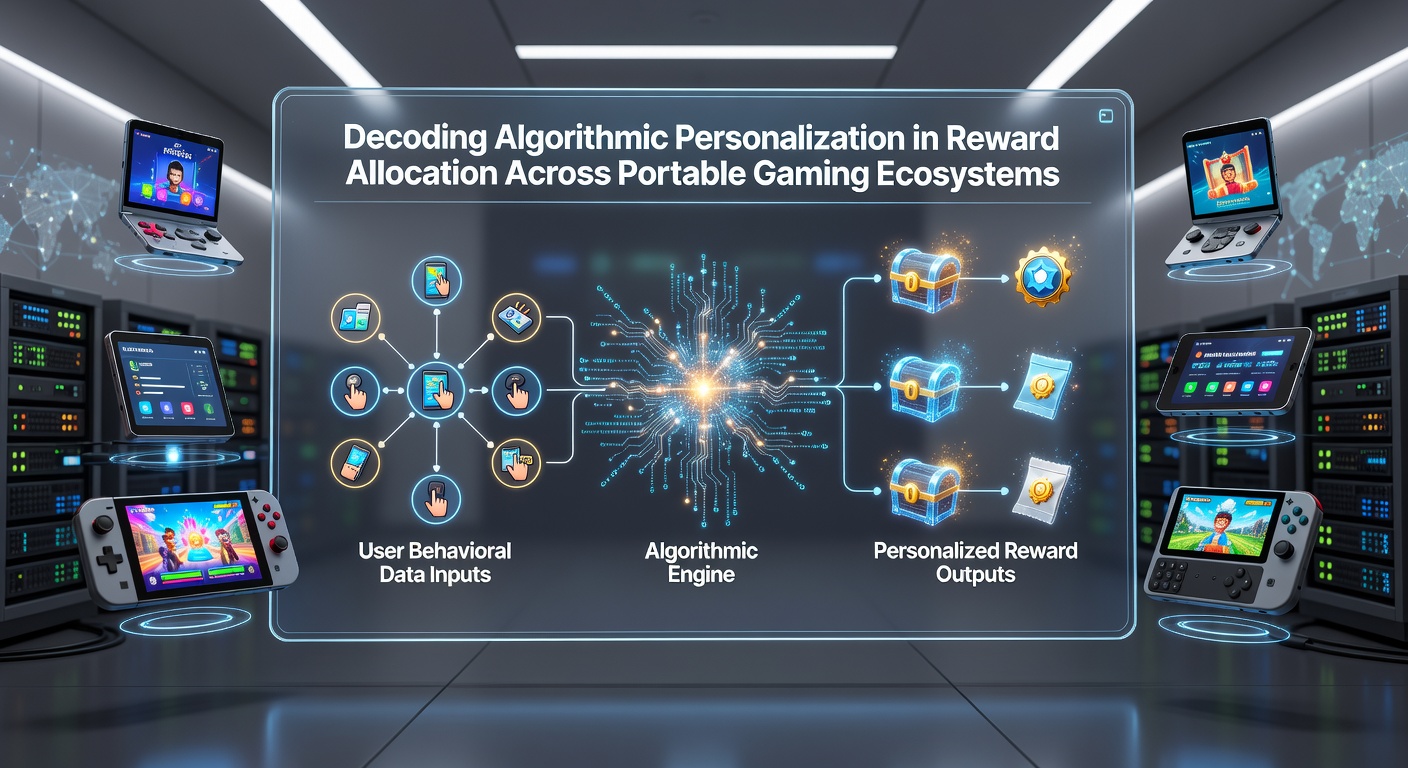
Multiplayer ecosystems further layer social graph data into allocation engines, enabling rewards that reflect both solo activity and cooperative milestones. One documented approach involves dynamic difficulty adjustment that simultaneously modifies challenge level and accompanying reward magnitude to keep perceived value aligned with effort expended. Studies published through university research channels show measurable differences in session length when these layered systems replace static reward tables.
Regulatory and Technical Considerations in 2026
Regulatory bodies in regions including the European Union and Australia have issued updated guidelines on transparency requirements for algorithmic decision-making in digital entertainment. Developers respond by embedding audit logs that record which features triggered each reward adjustment, allowing external reviewers to trace outcomes back to specific model inputs. These logs operate alongside privacy-preserving techniques such as federated learning that keep raw user data localized while still permitting aggregate model improvements.
Technical constraints include maintaining low power consumption on portable hardware during continuous model inference. Engineers address this through quantized neural networks that reduce precision requirements without sacrificing prediction accuracy. Data from platform analytics firms reveal that optimized models consume 25 percent less battery during peak personalization periods compared with earlier implementations.
Future Trajectories for Reward Ecosystems
Emerging developments point toward greater integration of augmented reality overlays that tie physical location data to reward eligibility within defined geofenced zones. Such capabilities require additional safeguards around consent and data minimization. Cross-ecosystem partnerships between game publishers and hardware manufacturers continue to standardize reward token formats so that virtual assets transfer more seamlessly between unrelated titles.
Conclusion
Algorithmic personalization in portable gaming reward allocation continues to evolve through refined data processing, synchronized cross-device profiles, and genre-tailored distribution rules. Technical adaptations in May 2026 reflect responses to both platform policy changes and regulatory expectations while preserving core functionality across ecosystems. These systems demonstrate measurable effects on user metrics according to aggregated industry statistics and academic examinations.