Cross-Border Data Flows Reshaping Loyalty Point Redemptions in Portable Reel and Wheel Formats Under Fragmented Licensing Rules
Written by Ellis Lehmann · Aug 11, 2026

Cross-Border Data Flows Reshaping Loyalty Point Redemptions in Portable Reel and Wheel Formats Under Fragmented Licensing Rules
Data indicates that cross-border information exchanges now dictate how loyalty points convert into rewards within mobile slot and roulette applications, and operators must navigate licensing variations that differ sharply from one jurisdiction to the next. Regulatory fragmentation means a single player account can trigger multiple compliance checks when points move from one licensed environment to another, particularly when reels or wheel-based games operate on portable devices.
Data Movement Patterns in Mobile Gaming Ecosystems
Portable reel formats and wheel simulations transmit user activity logs across servers located in separate regulatory zones, and these transmissions carry details that determine point eligibility for redemption. When a user accumulates points through repeated spins or bets on a wheel variant, the system records each action with timestamps and jurisdictional markers that later influence whether those points qualify for cash equivalents or bonus credits. Observers note that licensing rules in one region may require explicit consent for data export while another permits automated transfers under predefined agreements, creating inconsistent redemption timelines for the same player.
Research from the Global Gaming Institute shows that synchronization delays occur most often when points generated in a high-regulation market attempt transfer to a lighter-licensing area for use in mobile table simulations. Operators adjust their backend protocols accordingly, routing loyalty data through intermediary nodes that apply jurisdiction-specific filters before final redemption occurs.
Regulatory Variations Affecting Point Usage
Fragmented licensing frameworks impose distinct data retention periods and sharing restrictions that directly affect how quickly points become available for redemption in reel or wheel games. In regions following strict data localization statutes, loyalty information must remain on domestic servers even when the player accesses the platform from abroad, and this requirement extends processing times before points convert to usable rewards. Meanwhile, jurisdictions with mutual recognition treaties allow faster cross-border flows, yet they still demand audit trails that document every data hop between mobile sessions.
August 2026 figures from the Asia-Pacific Gaming Association reveal that operators serving multiple Asian markets experienced a 17 percent increase in redemption processing volume compared with the prior year, driven largely by expanded mobile wheel offerings that rely on real-time data exchange. Those handling European and North American cross-traffic report similar upticks when loyalty programs link reel-based progress with wheel outcomes across differing license conditions.
Technical Adjustments in Loyalty System Design
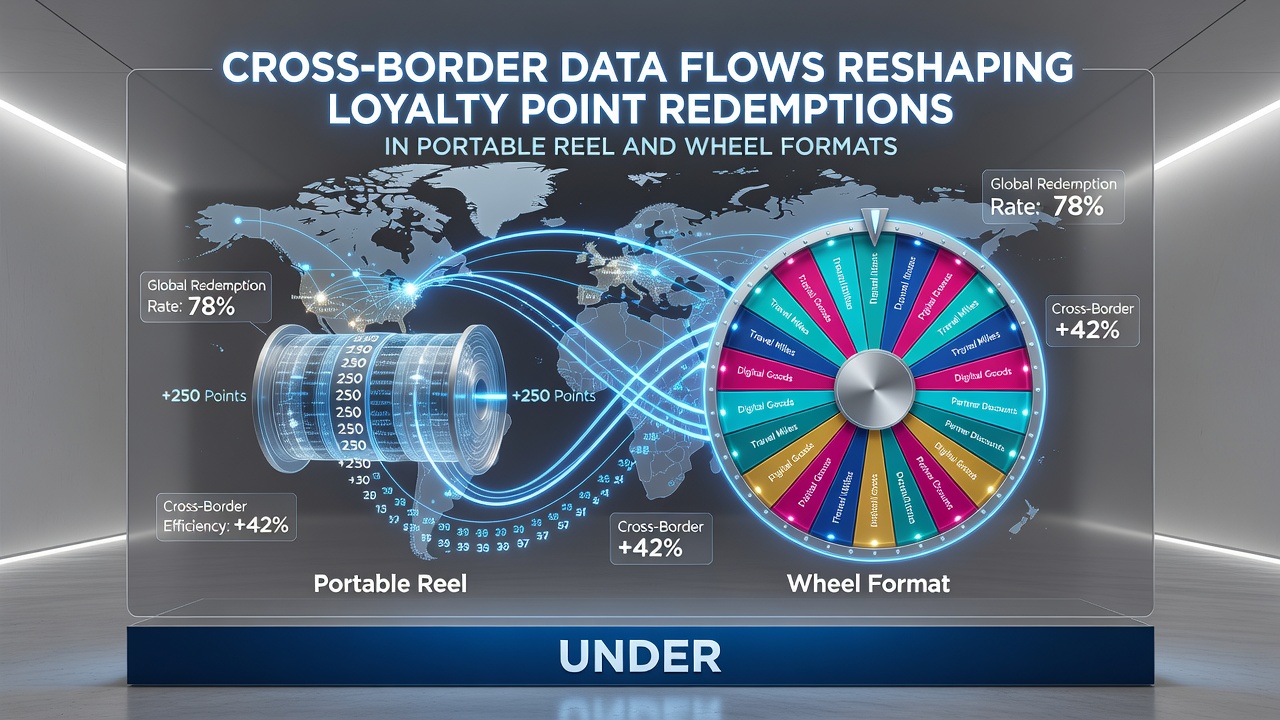
Developers now embed geofencing and license-verification modules directly into mobile applications so that point redemptions only activate after confirming the active licensing status of both the player location and the game server. These modules query external registries maintained by regional gaming authorities before authorizing transfers, and they log each query to satisfy audit requirements that vary by jurisdiction. When a player attempts to redeem points earned on a portable reel game while traveling into a new licensing zone, the system pauses the transaction until the data packet complies with the destination rules.
Studies conducted by the International Center for Gaming Research indicate that such verification steps reduce unauthorized redemptions by 22 percent across sampled multi-jurisdiction platforms, although they add an average of four seconds to each mobile transaction. Wheel formats face additional scrutiny because their random-number generators often reside in separate facilities from the loyalty database, necessitating extra data handshakes that reel-only systems avoid.
Player Experience Under Shifting Rules
Players encounter redemption interfaces that display different available rewards depending on the licensing profile attached to their current session, and these variations stem directly from the data pathways that connect portable devices to backend servers. One documented case involved a frequent user whose points accumulated through European mobile slots became temporarily unavailable for wheel redemptions after crossing into a market with stricter data export controls. The platform restored access once the operator applied an approved transfer protocol that satisfied both the origin and destination regulators.
Industry reports compiled by the North American Interactive Gaming Council highlight that operators investing in unified data orchestration layers achieve more consistent redemption rates across fragmented environments. These layers translate loyalty values into jurisdiction-specific formats while preserving the original point totals, allowing seamless use in both reel and wheel mobile titles regardless of licensing boundaries.
Conclusion
Cross-border data flows continue to dictate redemption mechanics for loyalty points in portable reel and wheel formats, and the pace of adaptation remains tied to how quickly operators can align their systems with evolving licensing requirements across regions. Regulatory bodies maintain separate oversight mechanisms that influence data routing decisions, while technical solutions focus on automated compliance checks that minimize friction for end users. As mobile gaming expands, the interplay between data movement rules and loyalty program design will determine how effectively points convert into rewards under these fragmented conditions.