Charting Interlinked Incentive Structures Connecting Digital Wallet Transactions to Reel and Wheel Variants in Fragmented Regulatory Landscapes
Written by Yara Simmons · Jul 28, 2026
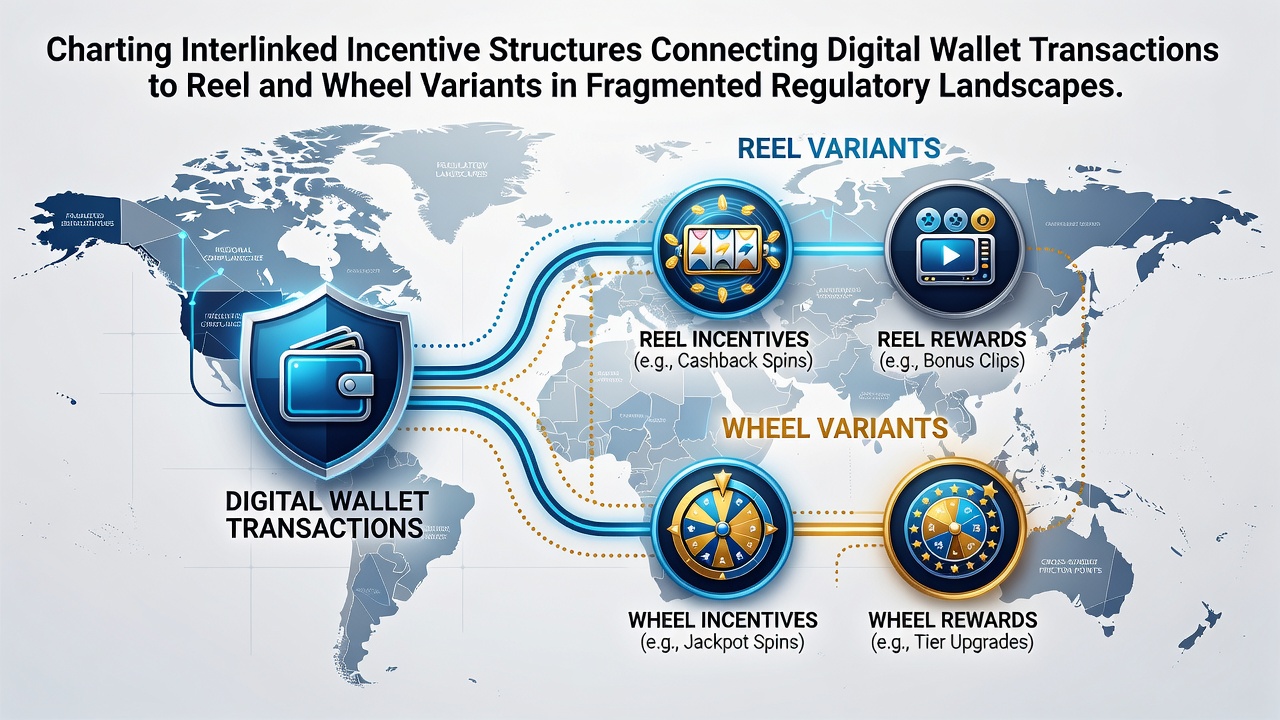
Charting Interlinked Incentive Structures Connecting Digital Wallet Transactions to Reel and Wheel Variants in Fragmented Regulatory Landscapes
Digital wallet adoption in mobile gaming continues to expand through 2026 as operators align transaction incentives with reel spins and wheel outcomes in markets where rules differ sharply from one jurisdiction to the next. Data from multiple regions shows that seamless transfers via e-wallets often trigger tiered bonuses that apply directly to slots and roulette variants, yet the mechanics shift depending on local licensing requirements and player protection mandates.
Wallet Integration Patterns Across Reel and Wheel Formats
Operators track how instant deposits from digital wallets feed into reward pools that boost reel multipliers or wheel segment payouts, and studies indicate these connections strengthen player retention when regulations permit real-time crediting. In fragmented environments such as individual US states and separate European member countries, the same wallet transaction may unlock distinct incentive layers: one jurisdiction allows direct bonus conversion to roulette wagers while another restricts it to reel-based progressives only. Observers note that July 2026 figures from several licensing bodies reveal rising volumes of wallet-funded sessions that automatically apply cross-variant rewards, particularly when systems synchronize mobile reel spins with live wheel simulations.
Regulatory Fragmentation Shapes Incentive Design
Each regulatory zone imposes unique constraints on how wallet transactions convert into playable credits for reels or wheels, which forces operators to maintain separate incentive architectures. The New Jersey Division of Gaming Enforcement publishes monthly reports that detail how approved digital wallet providers must separate bonus funds from principal deposits before they reach roulette tables or slot reels. Meanwhile Australian state regulators apply different caps on promotional values tied to e-wallet activity, resulting in reward structures that favor reel progressions over wheel multipliers in some territories and reverse the priority in others. These variations create layered maps where a single transaction can generate multiple incentive pathways depending on the player's registered location.
Cross-Border Examples of Linked Rewards
Take operators licensed in both Nevada and select Canadian provinces: they route wallet deposits through jurisdiction-specific ledgers that allocate reel bonuses in one market and wheel cashback in another. Research from academic centers tracking European gaming markets shows similar patterns where wallet speed influences eligibility for variant-specific loyalty tiers, with faster settlements unlocking higher reel volatility options or wheel segment access. Figures released in mid-2026 demonstrate that regions allowing instant wallet-to-game transfers record higher engagement rates across both reel and wheel products compared with slower verification zones.
Yet compliance teams must continually recalibrate these interlinks because one regulatory update can sever a previously functional reward connection between wallet activity and wheel outcomes while leaving reel incentives intact. Industry associations such as the European Gaming and Betting Association compile comparative tables that map these shifting relationships, helping operators avoid cross-jurisdictional mismatches.
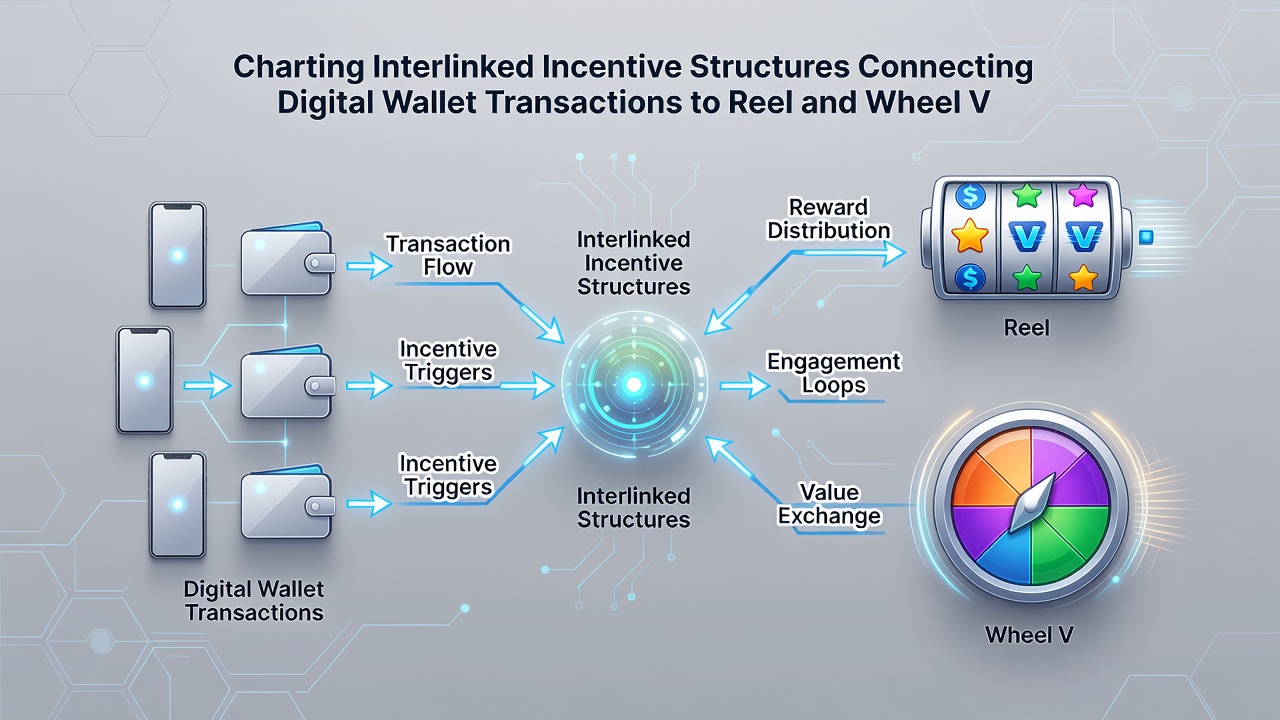
Technical Flows Behind Incentive Synchronization
Backend systems tag each wallet transaction with regulatory metadata that determines which reel or wheel incentives activate, and automated rules engines apply jurisdiction filters before credits reach the game interface. This tagging process ensures that a deposit made under one set of rules cannot inadvertently trigger bonuses prohibited elsewhere. Data from platform providers indicates that synchronization between mobile reel sessions and wheel simulations often relies on shared loyalty ledgers fed directly by wallet APIs, creating unified reward balances that still respect local spending limits.
Emerging Data Points from July 2026
July 2026 reports from multiple licensing authorities highlight continued growth in wallet-linked reel and wheel activity, with particular emphasis on how incentive structures adapt to new digital currency rules in certain Asian markets. Operators there adjust multiplier values on reel progressions and wheel segments based on real-time compliance checks tied to wallet origin. Academic papers examining multi-jurisdictional data flows reveal that these adaptations reduce regulatory friction while maintaining distinct reward pathways for each variant type.
Conclusion
Interlinked incentive structures continue to evolve as digital wallet transactions serve as the primary bridge between reel and wheel variants in regulatory landscapes that remain divided by jurisdiction. Operators rely on precise mapping of rules, technical tagging, and synchronized ledgers to deliver compliant rewards that differ by region yet connect through the same underlying payment rails. Ongoing data collection through 2026 and beyond will further clarify how these connections adapt when new licensing frameworks emerge.